September 4, 2024
Chestnut Experimentation: Exploring Tissue Culture with Craig Clark
Chestnut Experimentation
Growing From Tissue Culture
Is tissue culture the future of chestnut propagation?
Branching Out: Growing Together guest Craig Clark, owner of West Coast Chestnut, believes so—and he’s spent five years proving it.
In this episode, Craig shares how his journey from hazelnuts to chestnuts led to breakthroughs in using tissue culture to grow chestnut trees—unlocking a new era of propagation potential.
🌿 From Hazelnuts to Chestnuts: A Passion for Farming
Craig’s interest in tissue culture began in the hazelnut world. He witnessed firsthand how this method helped combat Eastern filbert blight by saving infected trees.
That success sparked a question:
“If it works for hazelnuts, could it work for chestnuts too?”
Frustrated by grafted trees that died back and the slow pace of traditional propagation, Craig began a five-year experiment to develop chestnut trees through tissue culture.
🧪 The Challenges—and Breakthrough—of Tissue Culture
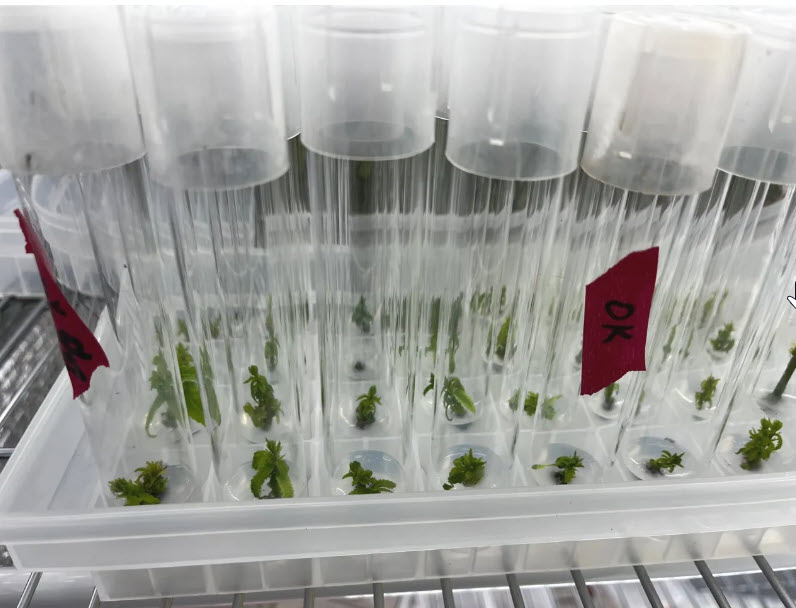
The road wasn’t easy. Chestnuts proved stubborn, especially during the initiation phase—where cells are first encouraged to grow in sterile media. Craig faced two years of failure. But he didn’t quit.
After learning from researchers, tweaking his approach, and staying persistent, he eventually succeeded. His reward?
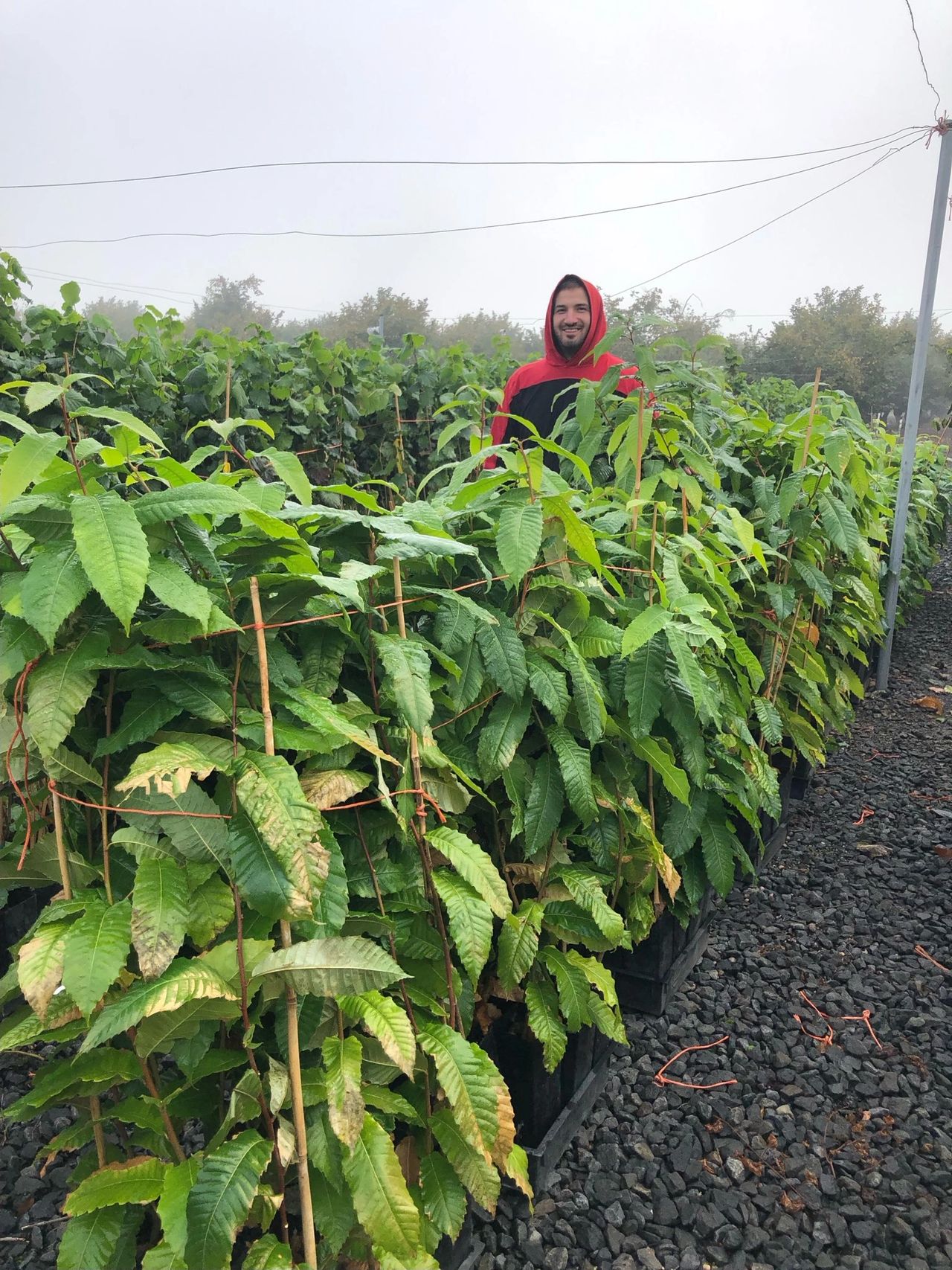
🌱 Tissue-cultured chestnut trees standing 40 inches tall in 1-gallon pots.
That’s a big deal.
“You have to love trees—and be a little stubborn.” — Craig Clark
🌰 Why Tissue Culture Could Revolutionize Chestnuts
Craig’s work opens major doors for the chestnut industry. Here’s why:
✅ Clonal Uniformity
Growers can plant orchards where 90% of trees share traits like nut size, fall timing, and blight resistance.
✅ Virus-Free Trees
Tissue culture can outgrow latent viruses, producing healthier, more productive trees.
✅ Faster Multiplication
Compared to grafting or seedling propagation, tissue culture enables millions of trees to be produced quickly.
✅ Genetic Preservation
Rare and endangered chestnut varieties can be banked and protected for future generations.
While there are still questions about long-term orchard performance, the potential is clear:
Tissue culture could help the U.S. chestnut industry scale responsibly—and faster.
👨🔬 A Grower Who Gives Back
Craig isn’t keeping this knowledge to himself. He’s an active member of the Chestnut Growers of America and Northern Nut Growers Association, contributing to the broader grower network.
“We’ve got to share what we learn—if we want this industry to grow.”
Learn more about his work at westcoastchestnut.com
🌰 Want to Grow the Future with Us?
At United Chestnuts, we’re excited about the future of propagation—and the role tissue culture may play. Whether you’re a grower, researcher, or simply chestnut-curious, we invite you to explore more:
📬 Subscribe to our blog and join the United Chestnuts Community group on Facebook to stay connected.
Let’s keep pushing the boundaries—together.