EBB Superstar Dunstan Chestnut Seed Nuts – 5 Pounds
$105.00
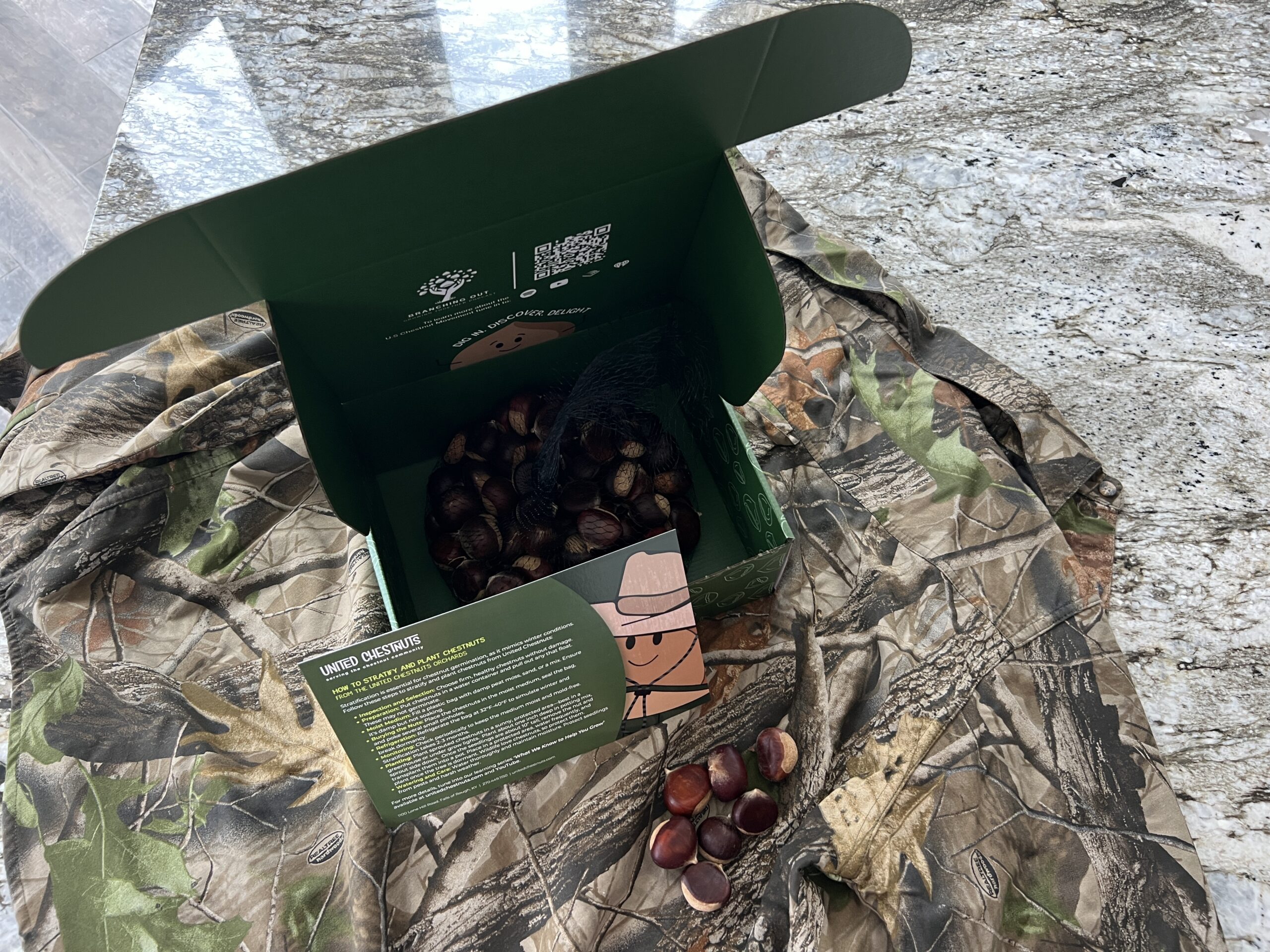
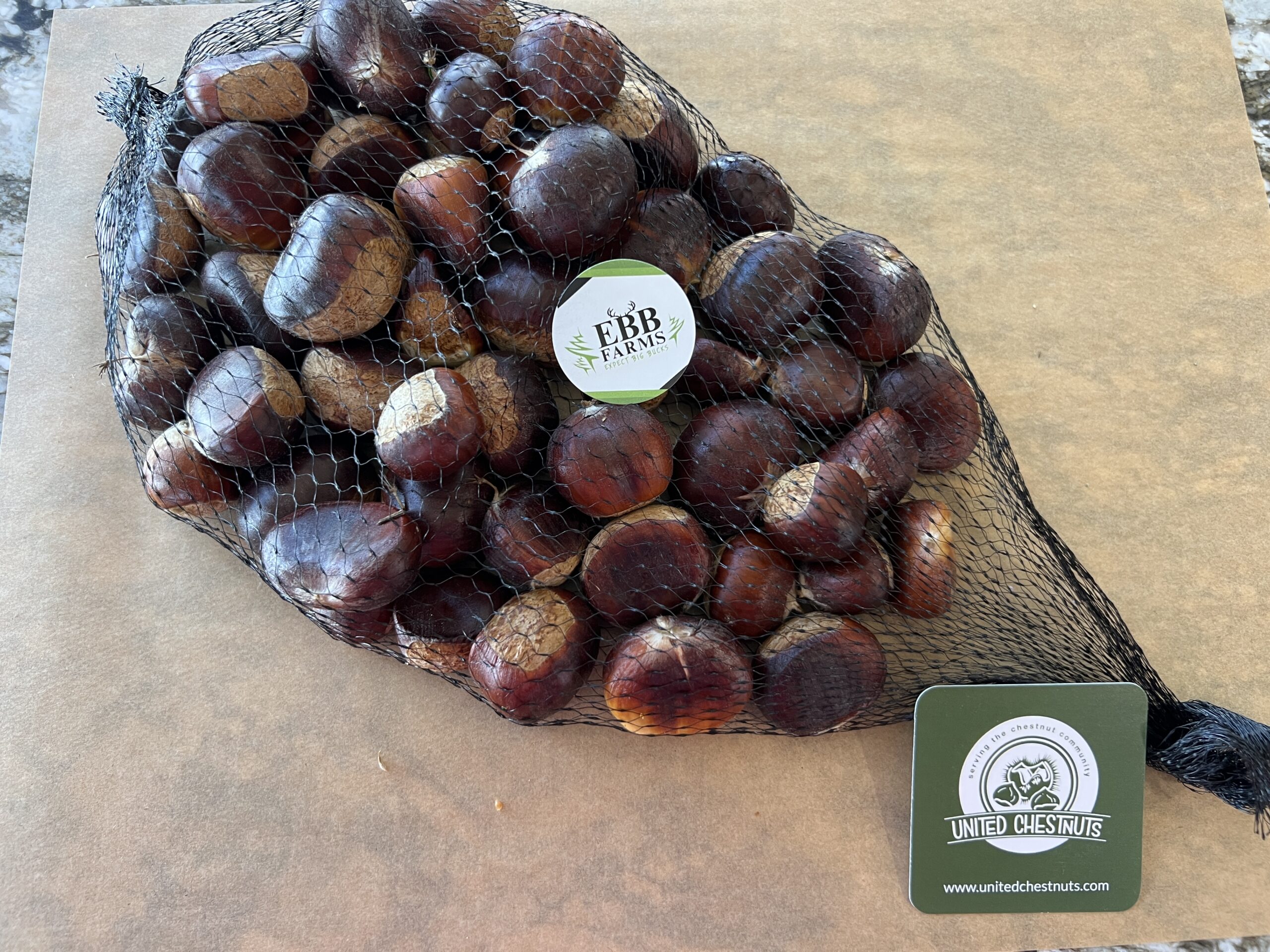
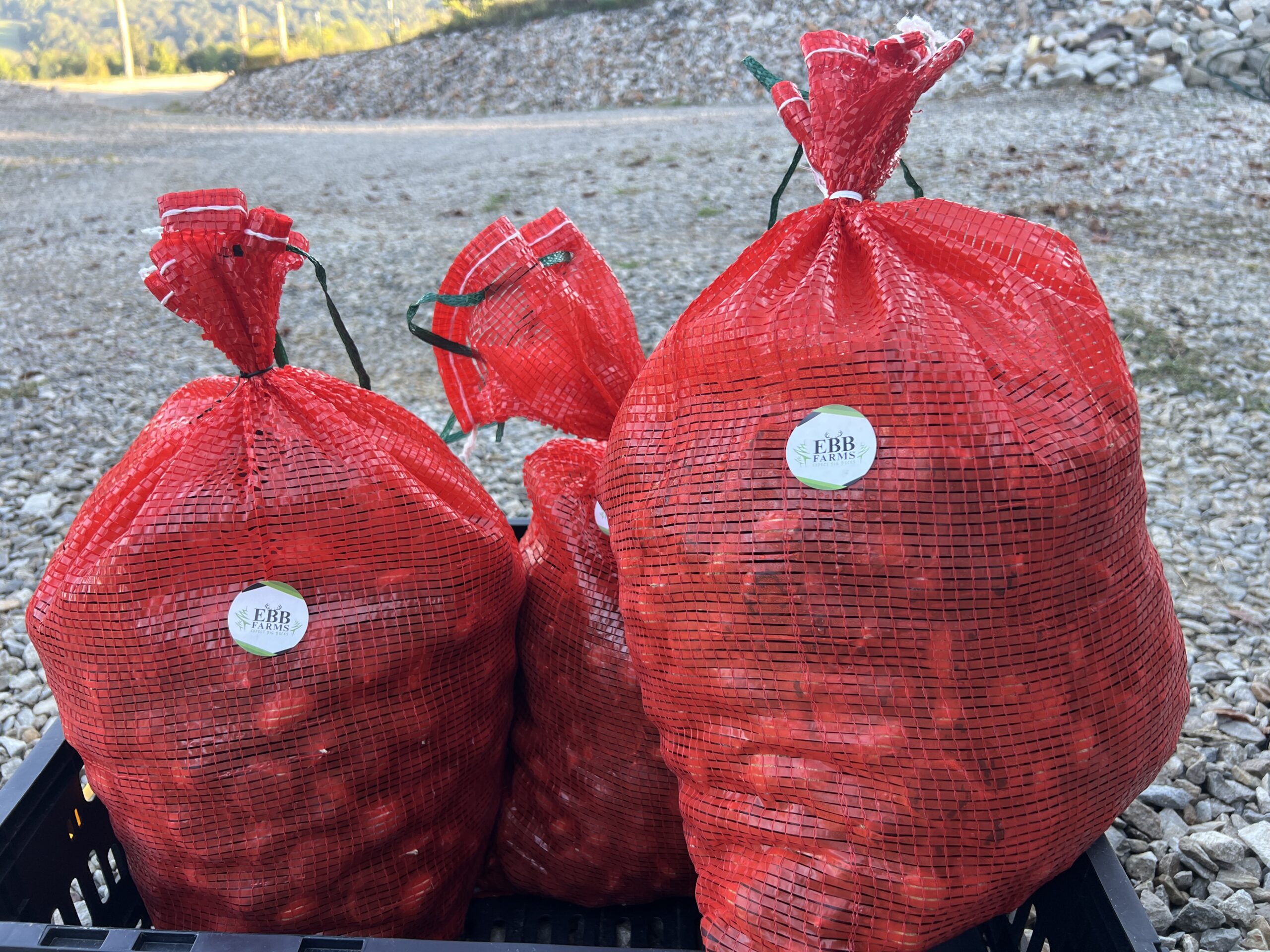
EBB Superstar chestnut seed nuts are a curated 5 lb lot of hybrid chestnut seed stock from our top‑performing trees at EBB Farms in western Kentucky. One per customer. These open‑pollinated seed nuts are designed for growers who want field‑tested genetics for orchards, agroforestry systems, and on‑farm breeding, not just generic bulk nuts. No shipping to Oregon, WA or CA.
What are EBB Superstar™ chestnut seed nuts?
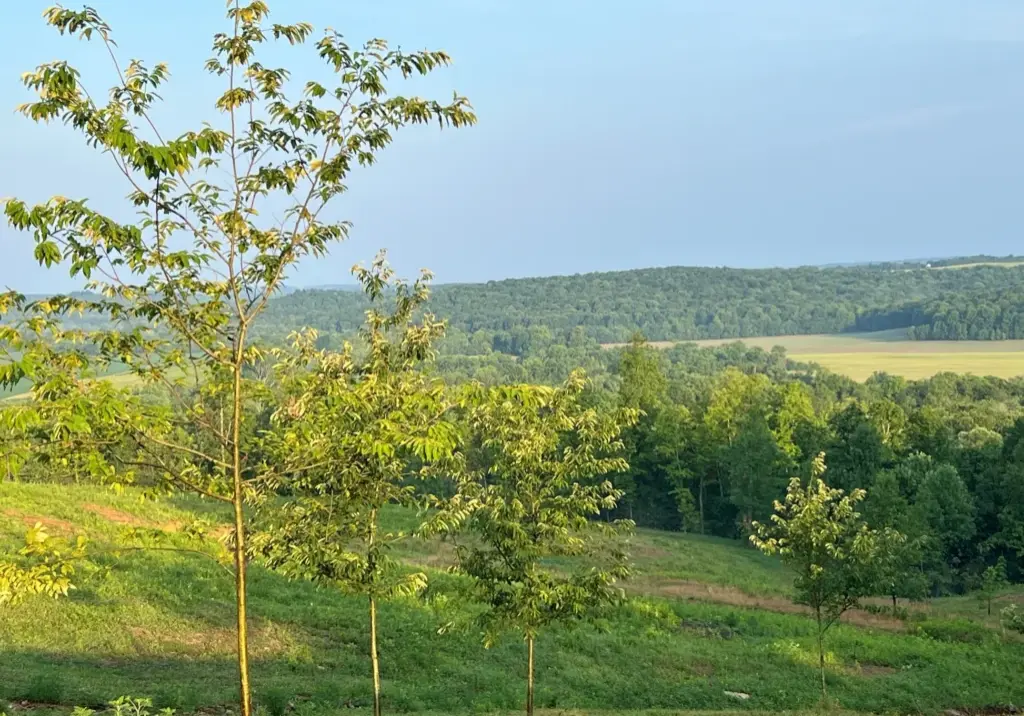
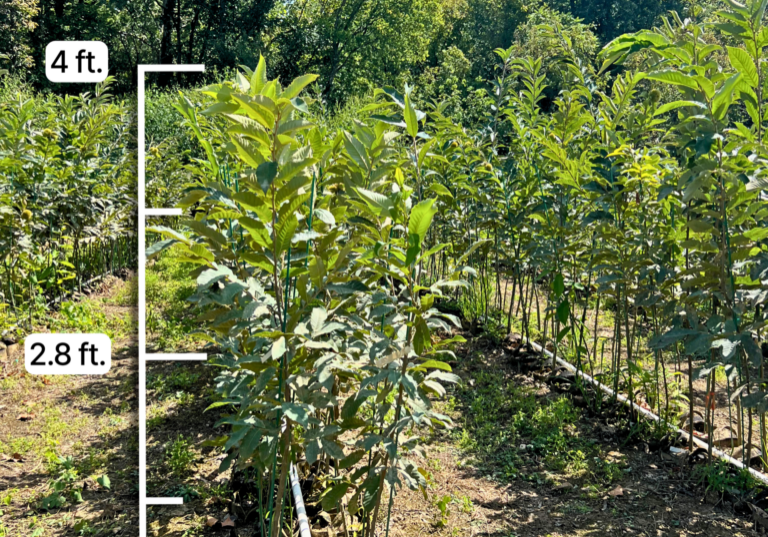
EBB Superstar chestnut seed nuts come from trees on our farm that consistently stand out for vigor, cropping, nut quality, and resilience under real‑world conditions. These trees have been observed over multiple seasons in our western Kentucky orchards and selected for their performance in a modern, production‑oriented chestnut system. Excellent nut size.
The seed nuts in this 5 lb box are open‑pollinated, so they are not clones of any single variety. Instead, they represent a diverse, intentionally chosen seed pool rooted in our best orchard trees. All chestnuts ship between October and November.
Origin and genetics
Our EBB Superstar chestnut seed nuts are collected from a block of hybrid chestnut trees at EBB Farms. These trees include Dunstan‑type genetics in their background, but this product is not sold as or represented to be an official Dunstan‑branded product.
-
Mother trees: High‑performing hybrid chestnut trees on our farm selected for vigor, annual bearing, and nut quality.
-
Pollination: Open‑pollinated within a diverse chestnut block, creating variation and the potential for exceptional individual trees.
-
Region‑tested: Selected under the heat, humidity, and storm patterns of western Kentucky, in real soil and real farm management—not just in pots or greenhouses.
When you plant EBB Superstar chestnut seed nuts, you are planting from the same genetics we use for our own next‑generation orchard development.
Why choose EBB Superstar chestnut seed nuts
Most seed chestnuts on the market are generic bulk nuts that happened not to enter the food channel. EBB Superstar chestnut seed nuts are collected and handled as seed stock from trees we have deliberately identified as top performers in our system.
That gives you:
-
A focused, farm‑tested seed source instead of random bulk nuts.
-
A strong starting population for your own selection and breeding work.
-
A clear story you can carry forward: trees grown from the EBB Superstar line at EBB Farms.
We are not affiliated with, endorsed by, or acting as an authorized seller for any third‑party chestnut brands. We are simply describing the genetic background and performance of our own orchard trees.
Intended use and ideal buyers
These chestnut seed nuts are intended for planting and long‑term tree crop development, not for culinary use.
They are an excellent fit if you want to:
-
Establish or expand a chestnut orchard and plan to cull and favor the best trees over time.
-
Build your own farm‑bred line by selecting top‑performing seedlings from a high‑quality hybrid seed pool.
-
Integrate chestnuts into agroforestry, silvopasture, or perennial systems where adaptability and resilience matter more than absolute uniformity.
Because these are open‑pollinated, expect genetic diversity in growth, form, and cropping. That variation is a strength if you are willing to select.
Product details
-
Product: EBB Superstar™ chestnut seed nuts
-
Focus keyphrase: EBB Superstar chestnut seed nuts (for Yoast, not shown to buyers)
-
Genetic background: Hybrid chestnut trees with Dunstan‑type genetics in their lineage, open‑pollinated
-
Quantity: 5 lb lot (limited lots available each year)
-
Form: In‑shell, viable chestnut seed nuts, cured and stored for planting
-
Availability: Limited annual release; once the current year’s seed stock is allocated, this product will close until the next crop
Planting and management overview
-
Stratification: Store cool and slightly moist before planting to support dormancy break and strong germination.
-
Planting window: Typically early spring, as soon as soils are workable and severe freeze risk has passed.
-
Site selection: Choose well‑drained soils with good air movement; avoid heavy, saturated, or compacted sites whenever possible.
-
Protection: Plan for rodent and deer pressure on day one; use tubes, cages, or fencing to protect seed and young trees.
Local conditions, soil type, and management practices will strongly influence performance, so results will vary by site.