March 20, 2026
The 90-Day Flight Plan: A Grower’s Guide to the Drone Approval Process
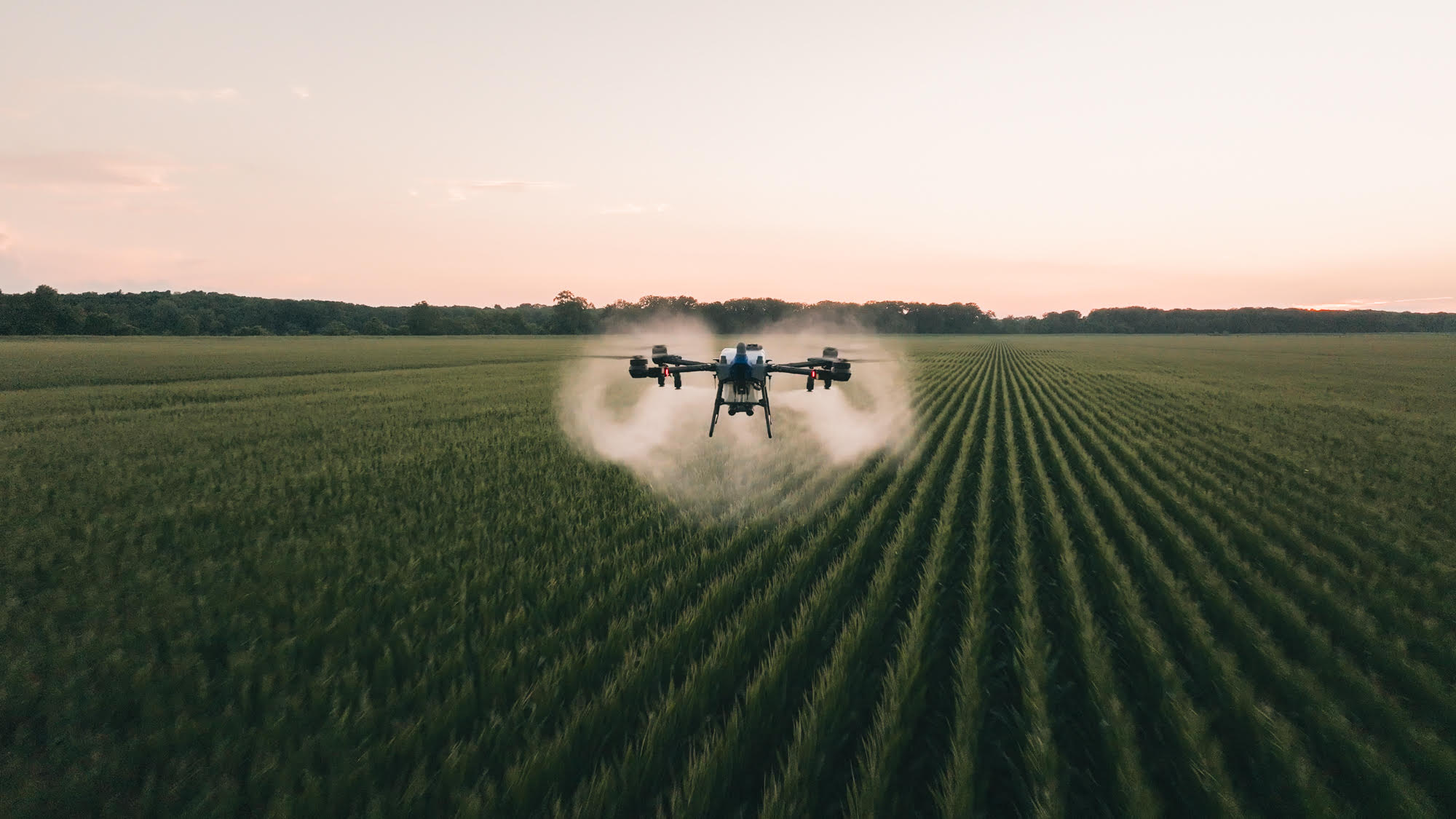
I had the opportunity to speak at the Kentucky Fruit and Vegetable Conference earlier this year, which is always a joy. But I have to admit that one of the absolute highlights of the day for me was meeting Caleb Canter and finally getting a close-up look at agricultural drone technology. Even though I was fascinated by what Caleb showed me, my immediate, very human reflection was that the drone approval process feels incredibly daunting.
The transition from a manual backpack sprayer to an autonomous aircraft isn’t just a physical change on the farm; it is a significant psychological leap. Even when you are convinced by the efficiency, there’s that nagging doubt on day one: Where do I even start? How could I possibly manage this?
I’ve since learned that the biggest hurdle isn’t learning to fly. The true challenge—the real barrier to entry—is navigating the bureaucracy and the paperwork. If you are looking at these machines and feeling overwhelmed, I want you to know you are not alone. Let’s sit down as peers and walk through what it actually looks like to bridge that gap.
The Drone Approval Process: A 90-Day Regulatory Runway
I don’t know about you, but whenever I see “FAA” or “government forms,” I tend to immediately look for an easier option. Buying a hobbyist drone is easy. Buying an industrial spray drone requires you to become a legal aviation operator. You need a Part 107 license and a 44807 heavy drone exemption. It feels like a massive barrier thrown up just when you want to innovate.
I asked Caleb point-blank how long this actually takes. I won’t sugarcoat his answer for you: “The new process, like I said, it’s gotten much easier. We tell people now, it really depends on what time of year and just kind of what the backlog is, but 12 to 14 weeks is pretty standard” (19:45).
A three-month wait is hard to swallow when you have crops needing attention today—especially now that we’ve crossed the start of spring. If you start the drone approval process now, you likely won’t be legal until June or July. It requires us to shift our thinking. Even if we missed the ideal “winter off-season” window to start paperwork, beginning immediately means you could utilize the machine for late-season treatments and, crucially, be completely prepared for next year without the rush. It’s hard to be patient, but it’s a required step.
Facing the “Fear Factor” of FAA Drone Certification
Let’s talk about the mental day one reality: The risk. It’s not just about the monetary value. The idea of taking an aerial sprayer that represents a serious investment and hovering it—laden with chemicals—above your chestnut trees makes your palms sweat. It’s a rational response to handling expensive, complex industrial equipment.
Caleb seemed very familiar with this skepticism. What gave me immense comfort was learning that you don’t have to be a naturally gifted pilot. He emphasized that the safety features are nearly foolproof because the drone handles the heavy lifting through automation. These machines, Caleb explained, “…utilizing LiDAR technology, which is able to see so much farther out and see much smaller obstacles consistently. And so, terrain following and obstacle avoidance on these drones is really, really incredible” (06:37).
For a grower managing steep or uneven land, hearing that the drone automatically adapts to the terrain on its own is a game-changer. You map the boundary once, and it navigates the hillside while maintaining the proper altitude. This isn’t a manual, precision-skilled task—it’s an almost entirely autonomous system that builds confidence with every flight. That’s a massive relief.
Spraying Strategy After the Drone Approval Process
There is one final conceptual barrier: Trusting that this drone actually works better than what you’re currently using. I looked at the relatively small size compared to my ground-based air-blast sprayer and wondered if a drone could possibly deliver the same coverage in a thick canopy.
Here’s where you have to unlearn some old habits. Caleb explained the necessary strategy shift for chestnut orchards versus flat row crops: “With chestnut trees, you’re going to want to be flying slower, you’re going to be flying higher volumes, probably, and probably smaller droplet sizes. So you can be more fogging that tree, as opposed to just dispersing the chemical on it like we do with the corn” (13:53).
If you are like me, “fogging” sounds less effective than a traditional heavy drench. But the science says otherwise. Smaller droplets stay in the canopy longer, providing more complete coverage without the chemical runoff. This requires a leap of faith to change your measurement of a “good spray day.”
Finding Support for Agricultural Drone Licensing
If I were to take this on, I wouldn’t do it alone. In fact, Caleb told me he doesn’t either. He maintains a crucial perspective: “I don’t pretend that I’m an expert in chemicals, right? I don’t pretend that I’m an expert in crop issues or crop disease, right? I rely on agronomists that I’ve built really good relationships with to provide my customers with that level of information… we just provide the expertise on utilizing the drone equipment…” (12:43).
This perspective—that we don’t have to do everything alone—is why I wanted to mention AeroAg. Caleb’s team was the first drone company in Kentucky to be licensed by the FAA, which means they have already traversed that overwhelming bureaucratic learning curve themselves. Beyond just selling equipment, they provide specific consultation packages. In fact, I asked him directly how they help growers and his reply emphasized that support: “We actually have a consultant package that will walk them through the entire FAA approval process. And so they get up and they get running legal…” (19:15).
Knowing that there are specialized compliance partners who offer hands-on training and specific consultant packages to share the workload simplifies everything. It means you lean on the hardware experts for the machine and the legalities, and you continue to lean on the agricultural experts for your crop health.
Navigating the Drone Approval Process Together
Adopting these tools is hard. It requires patience for the regulatory timeline, trust in automated safety tech, and a willingness to rethink decades of spraying habits. It is daunting, yes. But it is entirely possible.
If you are currently considering the drone approval process and feeling intimidated, reach out. We are traversing this learning curve together. Join the conversation in the United Chestnuts Community Facebook group to see what other growers are attempting on their farms. And don’t forget to subscribe to the Branching Out: Growing Together podcast wherever you listen, so we can continue to face these challenges—and opportunities—as one community. Let’s keep growing.