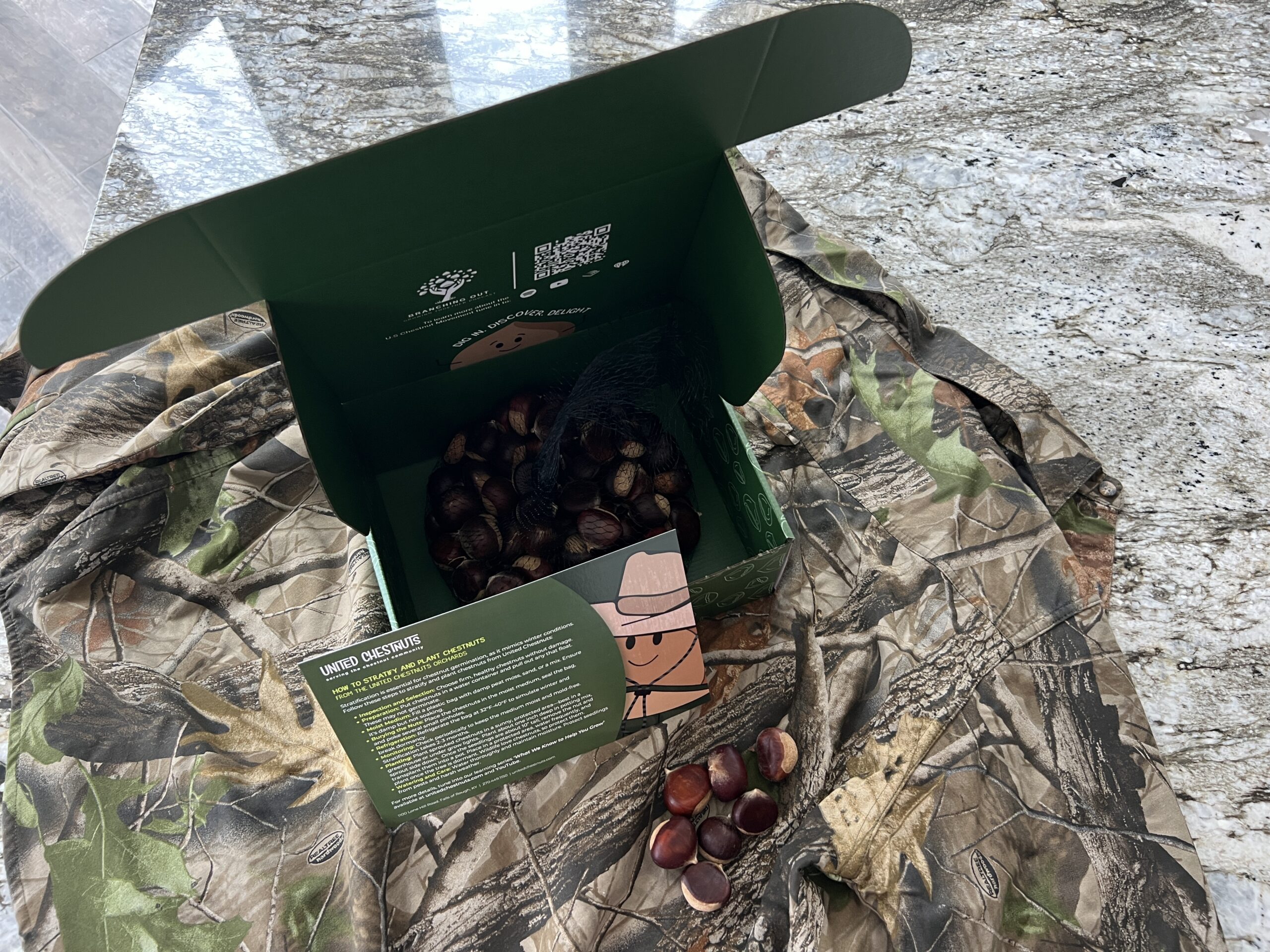
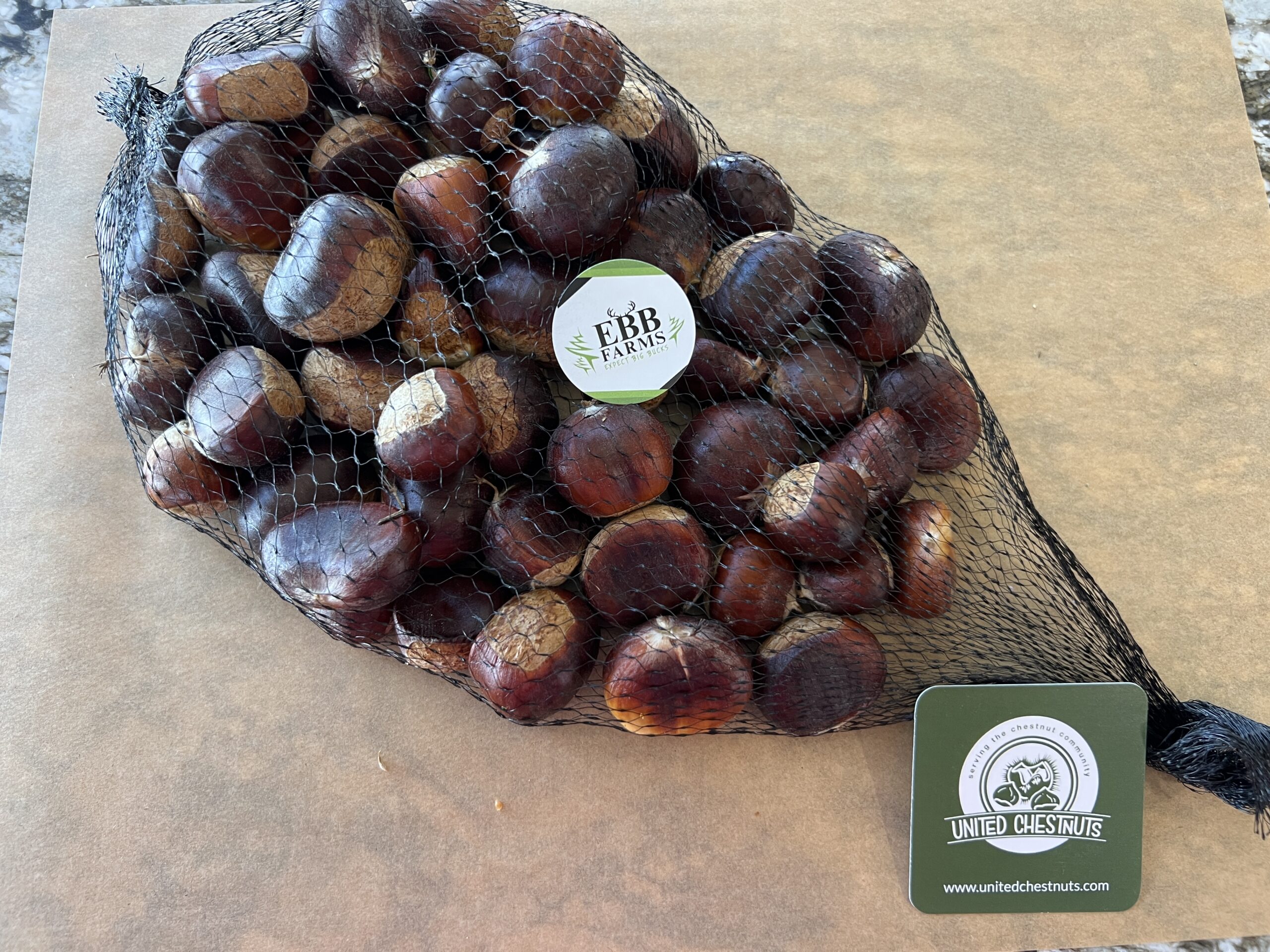

Premium Dunstan Chestnut Seed Nuts For Sale – 2 pounds
$39.00
Chinese chestnuts for sale from EBB Farms, shipped nationwide (except California, Oregon, and Washington), powered by United Chestnuts.
What are our premium chestnut seed nuts?
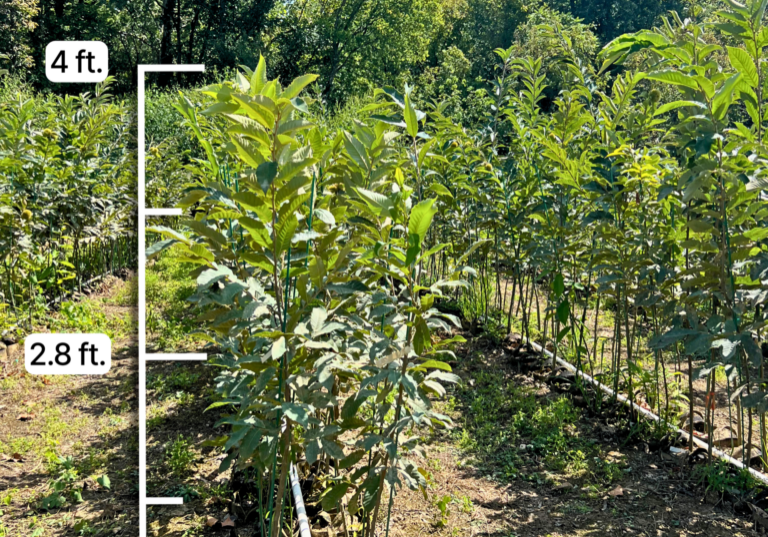
Our premium chestnut seed nuts come from hybrid chestnut trees on our farm that have shown strong vigor, consistent cropping, and good nut quality under real‑world management. We’ve watched these trees through multiple seasons in western Kentucky and selected them as a dependable, production‑oriented seed source.
This 2 lb lot contains open‑pollinated seed, so you are not buying clones of a single variety. Instead, you are investing in a diverse seed pool drawn from proven orchard trees that can anchor new plantings.
Origin and genetics
These premium chestnut seed nuts are collected from a block of hybrid chestnut trees at EBB Farms. Many of these trees include Dunstan‑type genetics in their background, but this product is not sold as or represented to be an official Dunstan‑branded product.
-
Mother trees: Healthy, productive hybrid chestnut trees selected on‑farm for vigor, bearing, and nut quality.
-
Pollination: Open‑pollinated within a diverse chestnut planting, creating variation and the potential for standout individuals in your system.
-
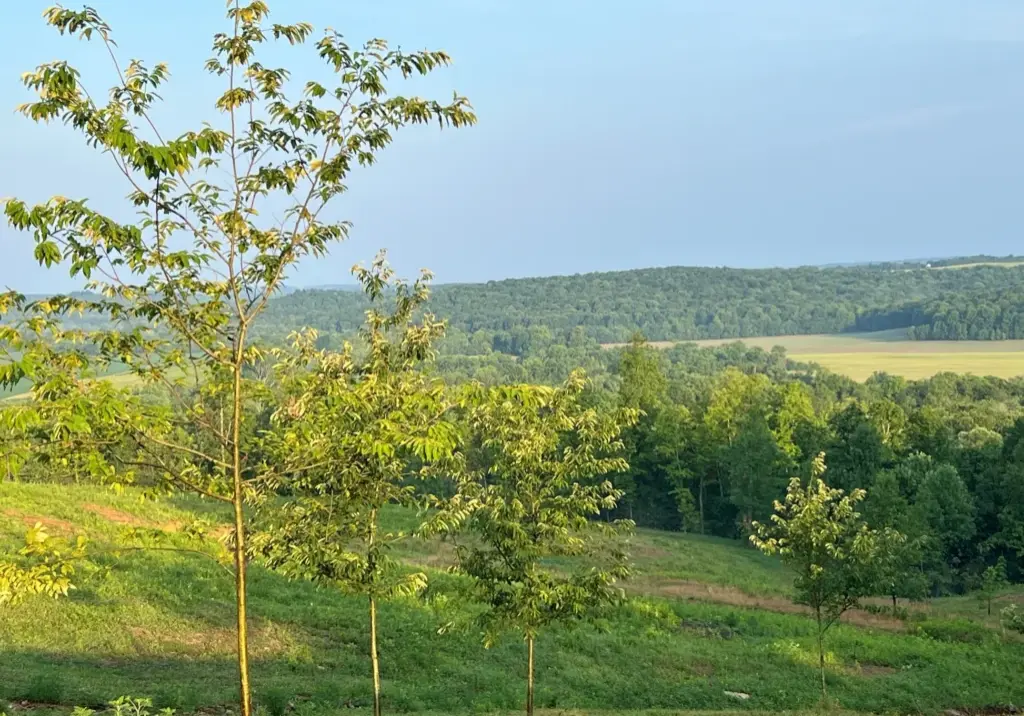
Region‑tested: Developed and selected under the heat, humidity, and weather swings of western Kentucky.
By planting our premium chestnut seed nuts, you’re using the same type of field‑proven genetics we rely on to build our own chestnut systems.
Ideal for new orchards
A 2 lb lot of premium chestnut seed nuts is a powerful starting point for a new orchard block or expansion rows.
-
Establish a larger number of trees at a lower per‑tree cost, then thin and graft or simply keep your best performers over time.
-
Let your site and management “choose” which seedlings excel, giving you trees adapted to your soils and climate.
-
Build a staggered‑age orchard by seeding now and interplanting grafted or named varieties later.
This approach works well for growers who think long‑term and are comfortable with selection.
Built for agroforestry systems
These premium chestnut seed nuts also fit beautifully into agroforestry and silvopasture designs.
-
Plant in alley rows, pasture edges, contour strips, or riparian buffers to add both food and shade.
-
Combine with forage, small grains, or grazing livestock to stack multiple income and ecosystem functions on the same acres.
-
Use the genetic diversity in this seed lot to identify trees that thrive under your specific management and spacing.
If you are designing multi‑story systems, chestnuts can become a key canopy layer in your long‑term plan.
A long‑game tool for hunters
For hunters and land managers, premium chestnut seed nuts are a way to shift from “just plots” to permanent tree‑based food sources.
-
Plant chestnut “tree plots” on the edges of fields, along travel corridors, and near stand locations.
-
Add long‑term attraction and calories that kick in once the trees reach bearing age, complementing clover, brassicas, and grain plots.
-
Create a habitat upgrade that holds deer on your property and builds value every year instead of resetting every season.
These chestnut seed nuts are intended for planting and long‑term wildlife habitat, not for culinary use.
Product details
-
Product: Premium chestnut seed nuts
-
Size: 2 lb lot
-
Intended uses: New orchards, agroforestry systems, and wildlife / hunting properties
-
Genetic background: Hybrid chestnut trees with Dunstan‑type genetics in their lineage, open‑pollinated
-
Form: In‑shell, viable chestnut seed nuts, cured and stored for planting
-
Availability: Limited annual release; once the current year’s seed stock is allocated, this product pauses until the next crop
Planting and management overview
-
Stratification: Keep cool and slightly moist before planting to support dormancy break and strong germination.
-
Planting window: Typically early spring, once soils are workable and the risk of severe freeze has passed.
-
Site selection: Choose well‑drained soils with good sun and air flow; avoid heavy, saturated, or compacted ground.
-
Protection: Use tubes, cages, or fencing to protect seed and young seedlings from rodents, deer, and equipment until they are well established.
Field performance will depend heavily on your local conditions and management, so results will vary by site.