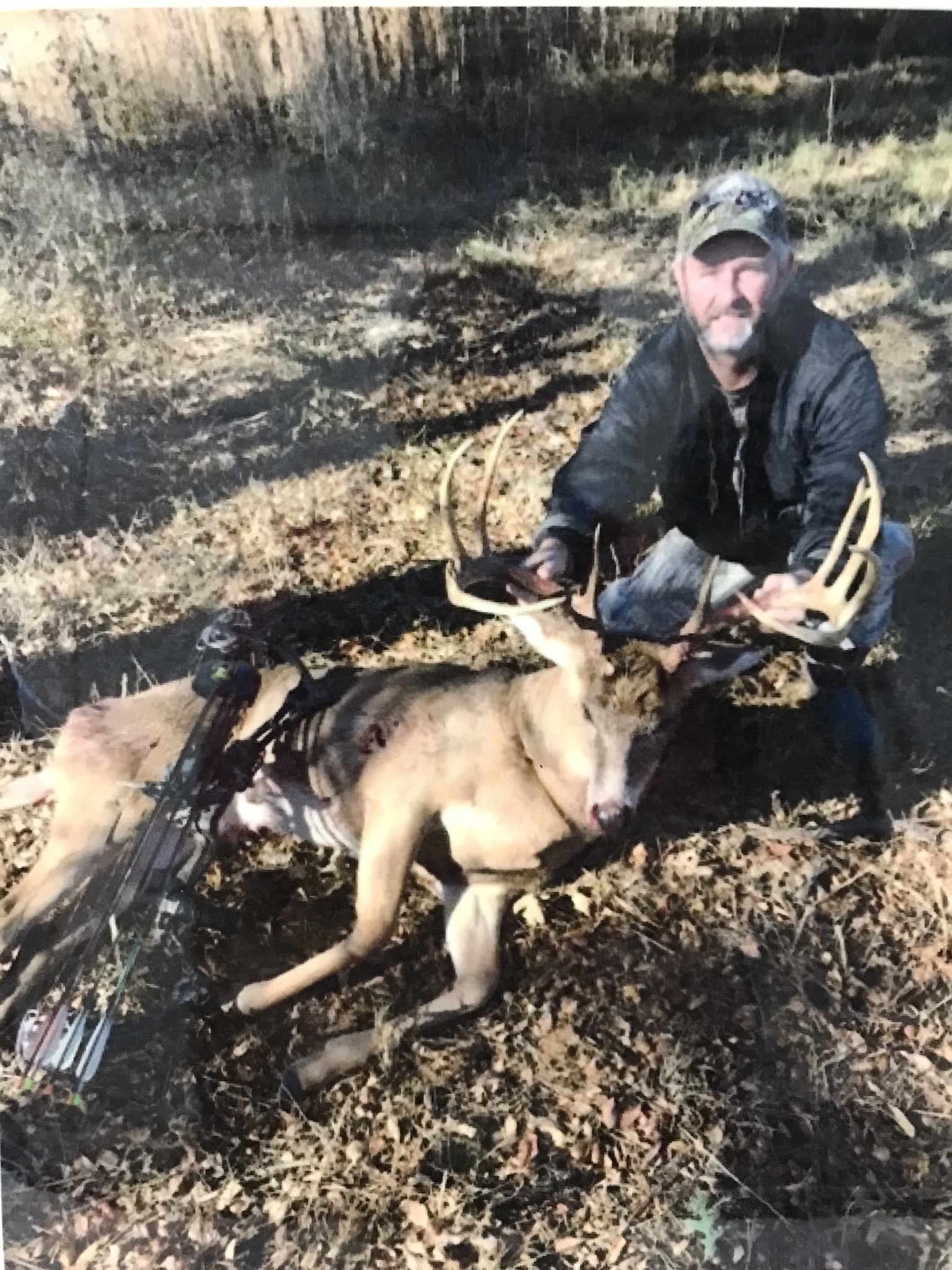
Chestnuts are making a comeback in the United States—and hunters have a front-row seat in this story. At EBB Farms, powered by United Chestnuts, we’ve seen firsthand how chestnut trees can transform a landscape, providing a reliable food source for wildlife and creating a legacy that lasts for generations. Read why chestnut seedlings for deer hunters is key to a successful food plot.
From Forest Giants to Forgotten Trees
When the first Europeans arrived in the eastern U.S., the American chestnut dominated the forest. These trees grew to massive size—towering over 100 feet tall and producing an endless supply of sweet, nutritious nuts that fed deer, bear, turkey, and countless other species. Families depended on them too. But in the early 1900s, a foreign blight swept through and wiped out nearly four billion chestnut trees.
The good news? We don’t have to imagine what chestnuts meant to wildlife—we can grow their resilient cousins right now. That’s where the Chinese hybrid chestnut comes in.
A Hunter’s Perspective
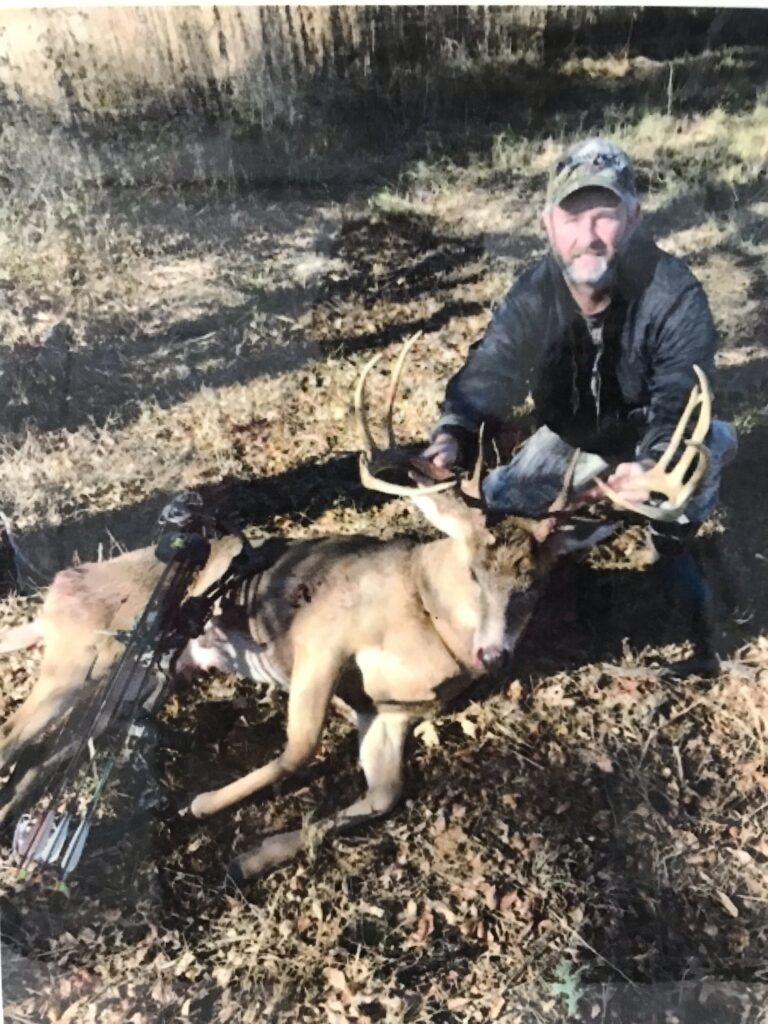
Brad Jones, co-founder of EBB Farms, shares why chestnuts are personal for him:
“I moved to Western Kentucky, in part, because of the large deer. I’m a bowhunter, surrounded by corn and soybean fields, and I knew I needed an edge to attract wildlife to my property. After a ton of research, I discovered chestnut trees—along with Sawtooth oaks—were the way to go. That idea became EBB Farms (short for Expect Big Bucks), and today it’s grown into a full chestnut orchard and nursery operation here in Kentucky. We have plenty of trees and ship nationwide.”
Hunters like Brad don’t just talk theory—they’re proving that chestnut seedlings can make a real difference in wildlife management and hunting success.
Why Hunters Choose Chestnuts Over Oaks
If you’ve planted oaks for food plots, you already know the long wait—sometimes decades—before acorns show up. Chestnuts are different. Well-managed seedlings often produce nuts in as little as 3–5 years. And when those burs crack open each fall, deer make a beeline for them.
Hunters who want to attract and hold whitetails on their property should think beyond annual food plots. Planting chestnut seedlings creates a permanent food source that comes back year after year, producing 150–300 pounds of nuts per tree once mature. That’s a reliable draw for deer—and a big return on your effort.
Planting Tips for Success
At EBB Farms, we raise our seedlings in breathable grow bags, giving them a strong, fibrous root system. Whether you buy bare root or potted, here are a few must-do steps to get them started right:
- Moist roots are everything. Never let them dry out before planting.
- Give them space. Plant trees 35–40 feet apart and plant more than one for cross-pollination.
- Dig wide, not deep. Spread roots naturally—never twist or jam them.
- Skip the fertilizer at planting. Let them establish first; add light fertilizer the following spring.
- Keep weeds and critters away. Mulch around the base and protect young trees with shelters from rabbits, squirrels, and deer.
Longevity and Production
By year four or five, you’ll likely see your first nuts. By age 10–15, each tree can yield hundreds of pounds of chestnuts annually, with a productive lifespan of 50+ years. That means your investment today can keep drawing wildlife long after a bag of seed corn is gone.
Choosing the Right Variety
Not all chestnuts are the same. Some drop nuts early in the fall, while others (like late-dropping grafted cultivars) extend into October and November—perfect for hunting season. At EBB Farms, we grow and offer a wide selection of proven cultivars, carefully selected for wildlife appeal and farm-tested performance.
Our lineup includes UMCQ PQK, Dunstan, Sleeping Giant, Hiram, Eaton, Amy, Miller, and more—each with unique strengths for hunters and landowners. Whether you’re after volume, drop timing, or resilience, we’ll help you match the right trees to your land and goals.
A Legacy for Land and Wildlife
Planting chestnut trees isn’t just about hunting success—it’s about creating a lasting food source that supports deer, turkey, and other wildlife for decades. At EBB Farms and through our national work with United Chestnuts, we’re here to help hunters, landowners, and future farmers put chestnuts back on the map.
Ready to plant your own chestnut plot? Visit our nursery at EBB Farms and explore available seedlings. You’ll be growing more than a tree—you’ll be building habitat, drawing deer, and leaving a legacy on your land.
For resources about the chestnut community and growing movement in the US, visit the resources page at United Chestnuts.