September 3, 2026
Maps, Forms, and Familiar Faces for Chestnut Farmers
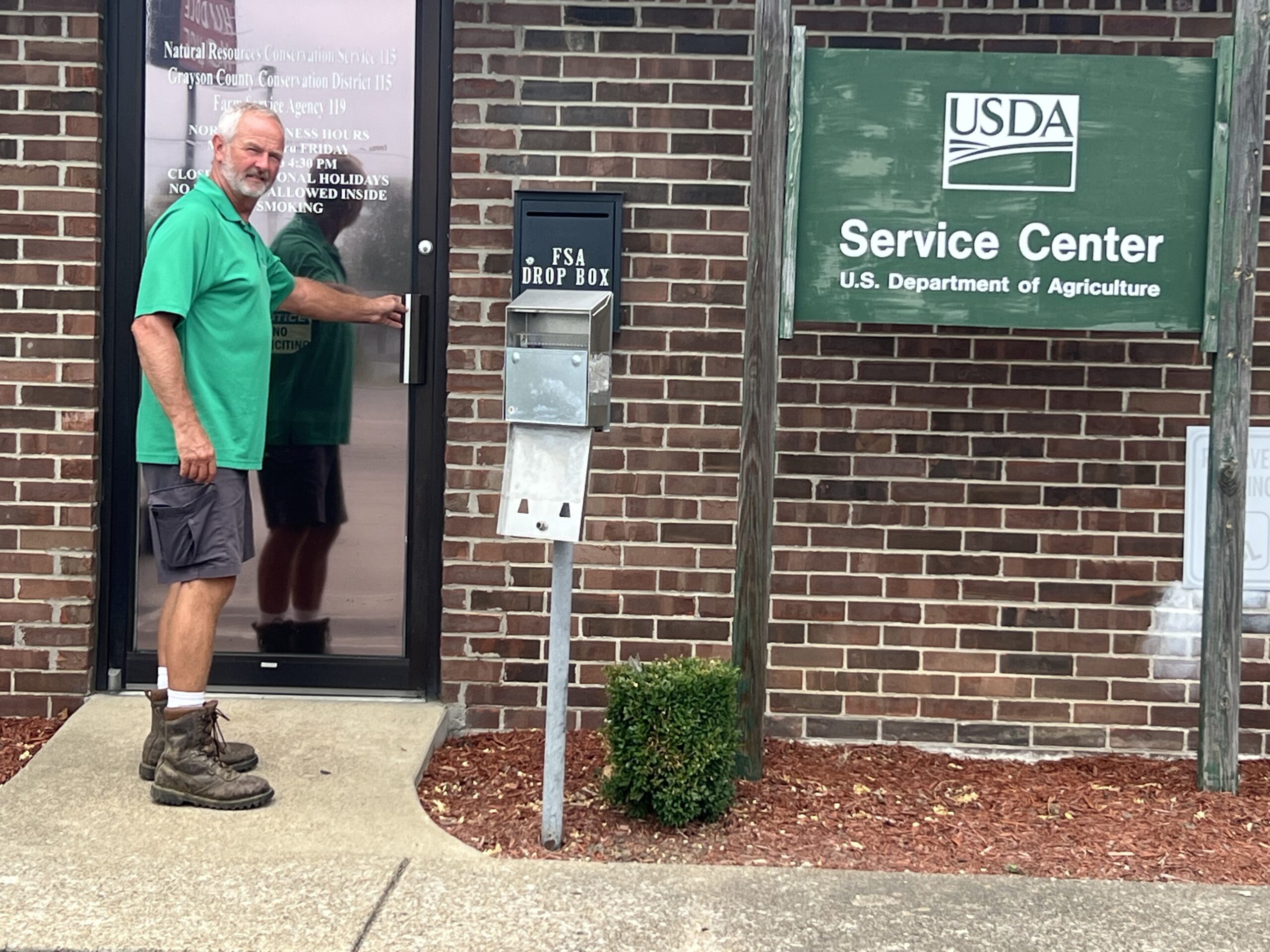
What We Learned From Our Local FSA, NRCS and Forestry Teams
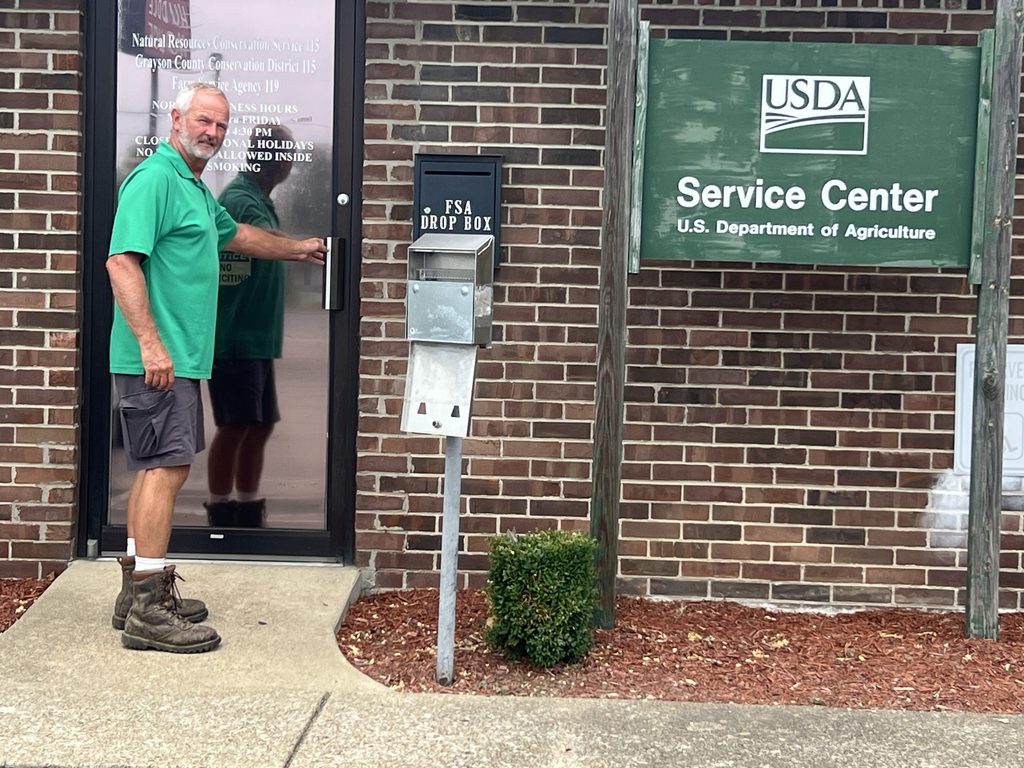
A while back, we found ourselves at the desk with a USDA aerial map of our farm spread out in front of us — field boundaries traced in yellow, our creeks and river bends in blue, and a growing stack of questions we didn’t know how to answer. Which forms did we need? What did that “HEL” label on one of our fields mean, and how do you get a farm number in the first place so you can take part in the programs everyone talks about?
We could have kept guessing. Instead, we did the simplest thing: we drove to our local USDA Service Center and introduced ourselves.
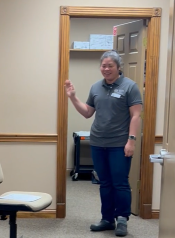
Watch the video below for a quick look inside a recent visit to our local office.
That decision turned out to be one of the best moves we’ve made for our chestnut operation. The people there weren’t gatekeepers standing between us and a pile of paperwork — they were partners, genuinely eager to help our farm succeed. In fact, they were so generous with their time and knowledge that I asked if they’d be willing to help me share what I learned with the wider chestnut-growing community. They said yes.
So this post is really a collaboration with our local team here in Kentucky:
- Robin Hughes, County Executive Director (FSA)
- Barbara Meredith, Program Analyst (FSA)
- Sandra Childress, Program Analyst (FSA)
- Hallie Armstrong, Program Analyst
- Fanny Ye, District Conservationist (NRCS Kentucky, Elizabethtown Work Unit, Leitchfield Service Center)
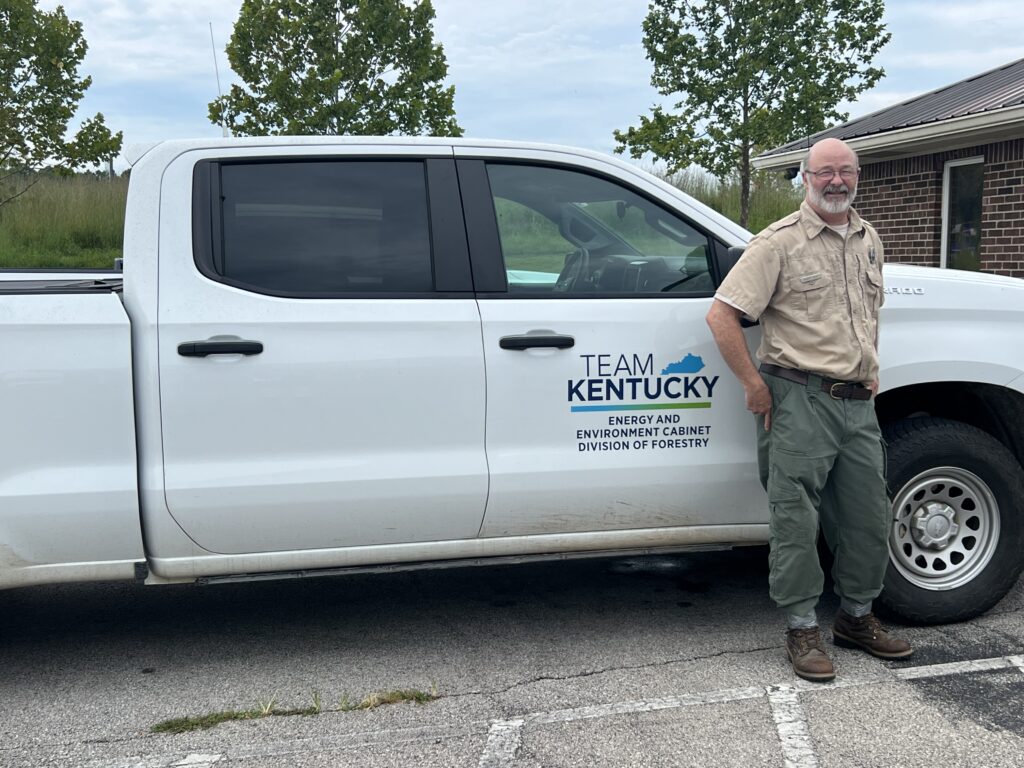
- Robert Bean, Forester
My hope is that our experience nudges you to build the same relationship with your local team — because it may be the most overlooked asset on your whole farm.
What Is a USDA Service Center? FSA vs. NRCS, Explained
If you’ve never been, the USDA Service Center can sound like a single, mysterious government office. In reality, it’s usually two complementary agencies sharing one building, each with a different job:
- FSA — the Farm Service Agency. Think of FSA as the “records and programs” side. They establish your farm in the USDA system, assign your Farm, Tract, and Field numbers, handle producer eligibility and business entity records, administer many program payments and loans, and keep the paperwork that proves you’re a bona fide operation. Robin and Barbara live in this world every day.
- NRCS — the Natural Resources Conservation Service. NRCS is the “land and conservation” side. They help you understand your soils, make land determinations (like whether a field is highly erodible), and design conservation practices that protect your ground while keeping you eligible for benefits. That’s Fanny’s domain.
Here’s the key insight: the two work hand in hand. FSA needs certain conservation certifications from NRCS before payments can flow, and NRCS’s conservation plans only matter if your FSA records are in order. When you build a relationship with the whole team, the pieces start fitting together.
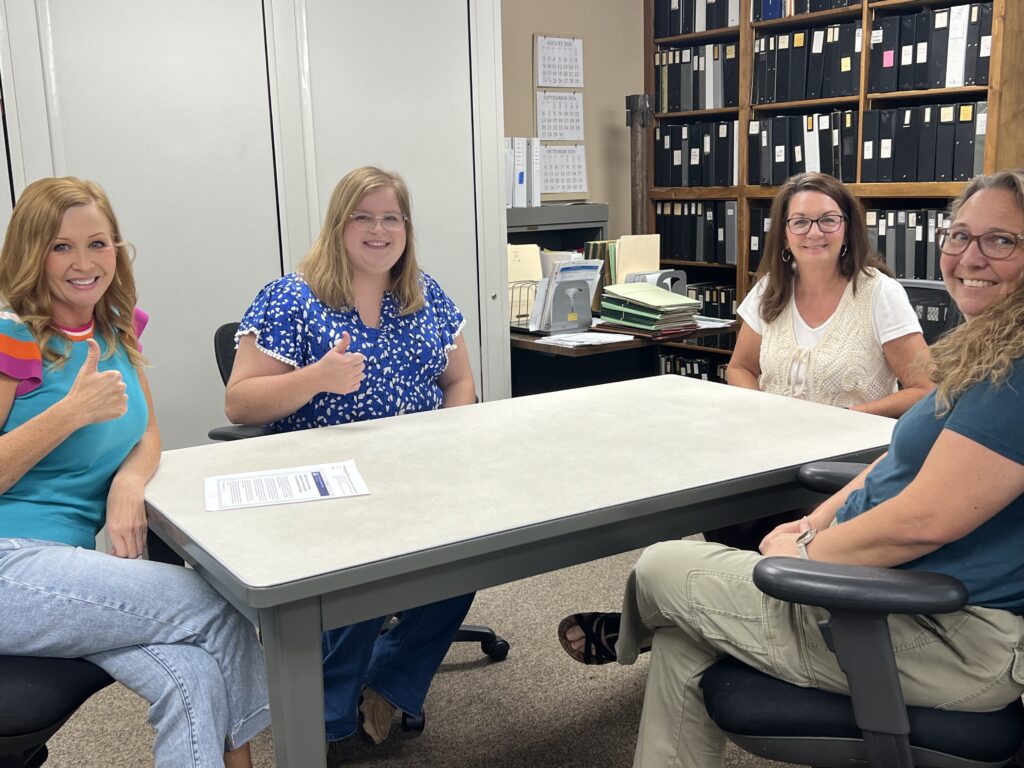
Sitting Down With the Team
What surprised us most about our visit wasn’t the paperwork — it was the enthusiasm. We walked in expecting to fill out forms and leave. Instead, we got a genuine conversation about our farm, our goals, and how the Service Center could help us get there.
A few things stood out that we think every grower should hear:
They’d rather meet you earlier than late. One theme came through loud and clear: don’t wait until a program deadline is bearing down to introduce yourself. The team can do so much before you “need” anything — getting your farm mapped, your records established, your determinations on file — so that when an opportunity comes along, you’re ready instead of scrambling.
They see the whole picture. Because FSA and NRCS sit under one roof, they could look at our situation together — records on one side, land and conservation on the other — and tell us what sequence of steps actually made sense. That kind of coordinated guidance is hard to get anywhere else, and it’s free.
They’re proud of the work. Fanny walked us through what a highly erodible land determination really means (more on that below) and why, for a tree crop like chestnuts, conservation goals and farming goals often point in the same direction. Robin and Barbara made the records side feel approachable instead of intimidating. You could tell the whole team genuinely enjoys helping chestnut farmers get it right.
And here’s what warmed our hearts: in our part of the country, specialty crops like chestnuts are still uncommon — most of the farms our Service Center works with are conventional row-crop and livestock operations. So when a chestnut grower walked in, the team was genuinely excited. They wanted to learn about the trees, the harvest, what makes chestnuts different. Far from being a barrier, our unusual crop was something they were curious and enthusiastic about. It was a good reminder that these folks care about all of agriculture in their county — not just the crops they see every day.
By the time we left, the map on the desk wasn’t a source of anxiety anymore — it was a plan.
Why the Relationship (and FSA Farm Programs) Pay Off
Beyond the warm welcome, there are concrete reasons to make your Service Center a regular stop:
- Access to conservation and cost-share programs: Many of the programs that help growers offset the cost of planting, irrigation, and conservation practices run through — or require coordination with — FSA and NRCS. If your farm isn’t in the system, you can’t participate, no matter how good the opportunity.
- Getting a farm number — literally putting your farm “on the map.” Your Farm, Tract, and Field numbers are the foundation for nearly everything else. Ours came straight off that USDA map, and having them confirmed made every later conversation faster.
- Faster help when it counts: When a deadline hits, a team that already knows you and your operation can move quickly. A cold introduction under time pressure is a much harder way to operate.
- Compliance done right the first time: Getting your certifications and determinations in order early means your eligibility for loans, disaster assistance, and other benefits stays intact — no unpleasant surprises down the road.
And if you’re worried that your crop is too unusual to bother the Service Center about — don’t be. The same programs, records, and conservation tools that serve a cattle rancher or a corn grower apply just as well to chestnut farming. The foundation is identical no matter what you grow. If you’re the only specialty grower in your county, that’s not a reason to stay away; if anything, your local team may be delighted to work with something new.
How to Register With FSA and Get Your Farm Number
If we could give one piece of hard-won advice, it’s this: sort out who your farm is before you chase what your farm can get.
Many of us start out with our farm records under our personal name, but as your operation grows you may form a business entity — an LLC, for example. Here’s the catch: program payments and agreements generally have to flow to the entity that’s officially registered with FSA. If your records say “you” but your business is the LLC, things can stall at exactly the wrong moment.
The fix is straightforward when you’re not in a rush: work with FSA to establish or link your business entity, make sure your ownership and member information is on file, and confirm that your records (including what’s called your “Subsidiary Print”) read correctly and show you as compliant and certified. Do this before a deadline forces the issue, and you’ll save yourself a headache.
So, how do you get a farm number? If you don’t have one yet, this is the step that starts everything else. Call or visit your local Service Center, bring your deed or lease, and ask FSA to establish your Farm, Tract, and Field numbers. There’s no fee and no test to pass — it’s a conversation, not a hurdle.
Crop Reporting: How You Qualify for FSA Grants and Subsidies
You don’t need to memorize the alphabet soup, but it helps to recognize the core forms so you can gather what you need before you go. Here are the ones that came up for us, in plain language:
- AD-2047 (Customer Data Worksheet): The basic “who you are” form that gets you and your operation into the FSA system.
- CCC-902 (Farm Operating Plan): Establishes your business’s eligibility for payments — including ownership and how the operation is structured.
- AD-1026 (Highly Erodible Land & Wetland Conservation Certification): Your certification that you’re following conservation rules on highly erodible ground and not converting wetlands. Filing it also triggers NRCS to make any needed land determinations.
- Subsidiary Print: Not something you fill out, but a record to check: it should read “compliant” for conservation and “certified” for AD-1026. Payments can hinge on this reading correctly.
- CPA-52: A conservation-related form that comes into play with certain projects; your NRCS contact can walk you through it.
- FSA-578 (Report of Acreage): Your annual crop acreage report — more on why this one matters below.
And don’t forget the supporting documents that make the visit smooth: your business/entity paperwork (articles of organization, EIN, operating agreement, member information), your deed or lease for the land, and — if you’d like payments by direct deposit — your banking information.
A quick tip from experience: keep all of these in one folder (physical or digital) so you’re never hunting for a document the day before a deadline.
Crop Reporting: How You Qualify for FSA Grants and Subsidies
A group of us chestnut farmers were talking recently about the Assistance for Specialty Crop Farmers (ASCF) program, which pays $650 an acre for chestnuts — but only if your crop acreage report is filed and current. That’s the one activity that’s easy to overlook, but that Robin and Barbara will tell you matters a great deal: the annual crop acreage report. Every year, you tell FSA what you’re growing, where, and how much, using Form FSA-578 (Report of Acreage). Even as a perennial tree crop, chestnuts still get reported annually
Why bother? Because that annual report is the key that unlocks a surprising amount:
- It’s often required to be eligible for many FSA programs, loans, and disaster assistance. If a late frost, drought, or storm damages your orchard, having your acreage on file is what makes you eligible for help — you can’t report it after the fact.
- It keeps your farm records current and accurate, so your maps, fields, and planted acres all match up.
- For those who carry it, acreage reports are shared between FSA and crop insurance (the Risk Management Agency), which cuts down on duplicate paperwork.
A few things worth knowing:
- Deadlines vary by crop, county, and state, so there’s no single national date to memorize — though July 15 is a major reporting deadline for many crops. Your local office can give you the exact dates that apply to your fields.
- To file, you’ll provide your crop and variety, intended use, number of acres, planting date(s), your share, irrigation practice, and a map showing your fields (that USDA map again — it earns its keep).
- You’ll typically make an appointment with FSA to complete and sign the report, and if you carry crop insurance, you still need to touch base with your agent too.
The simplest habit to build: ask Robin or Barbara for your county’s chestnut reporting deadline and put it on your calendar as a recurring date. It’s a small annual chore that protects a lot of doors down the road.
Know Your Land: HEL and Determination
That “HEL” label that worried me? It stands for Highly Erodible Land, and here’s what Fanny helped me understand: it’s not a penalty and it’s not a reason to panic. It simply means a field has soils prone to erosion, so if you’re going to farm it, you do so under a conservation plan that keeps the soil in place.
For chestnut growers, there’s actually good news baked in. The kind of erosion trouble that triggers strict conservation requirements is mostly tied to annually tilled row crops on erodible ground. Planting trees and shrubs — the heart of what we do — is itself a conservation practice. Perennial roots hold soil, build organic matter, and protect water quality. In other words, our farming goals and NRCS’s conservation goals tend to line up.
The practical takeaway: file your AD-1026 early so NRCS can make any determinations on your fields, and ask your District Conservationist whether your planned plantings need a conservation plan. It’s a short conversation that prevents long problems.
How to Get Started: Your FSA and NRCS Action Checklist
If you take nothing else from our experience, take these steps:
- Introduce yourself. Call your local Service Center and set up a time to meet — just like we did. You don’t need a problem to solve; you’re building a relationship. You can do this online here.
- Get your farm on the map. Ask FSA to confirm your Farm, Tract, and Field numbers and to make sure your records reflect your current business structure.
- File your AD-1026. This gets your conservation certification on record and prompts any land determinations you need.
- File your annual crop acreage report. Ask for your county’s reporting deadline for chestnuts and file your FSA-578 each year — it keeps you eligible for programs and disaster help.
- Ask what fits your operation. Tell them you grow chestnuts (or specialty/tree crops) and ask which conservation and cost-share programs make sense for you. You may be surprised what’s available.
- Keep a document folder. Gather your entity paperwork, deed or lease, and key forms in one place so you’re always ready.
Questions Worth Asking Your Local Team
- Are my farm records under the right name/business entity, and does my Subsidiary Print read correctly?
- What are my Farm, Tract, and Field numbers?
- Do any of my fields have a highly erodible land or wetland determination on file?
- Is my AD-1026 on record and certified?
- When is the crop acreage reporting deadline for chestnuts in my county, and how do I file my FSA-578?
- Which conservation or cost-share programs fit a chestnut or specialty-tree operation like mine?
- Most farms here are row crops and livestock — how do you approach helping a grower with a less common crop like chestnuts?
- What can we put in place now so I’m ready when an opportunity or deadline comes?
A Thank-You, and an Invitation
I want to close by thanking Robin Hughes, Barbara Meredith, and Fanny Ye — not just for the help they gave our farm, but for their willingness to share their knowledge with the whole chestnut community through this post. Their enthusiasm is a reminder that the folks at your local Service Center genuinely want to see you succeed.
I asked them a question: What do you want a farmer with an unusual crop to know about this office?
“Regardless of the crop, please contact our office and bring in their deed to get a farm serial number. Farmers report many different types of crops on their annual acreage report. Then, in the future, if there is a program they qualify for, the needed paperwork will have been completed timely.” – Barbara Meredith
Before that first visit, the paperwork felt daunting. Afterward, it felt doable — because I wasn’t figuring it out alone. That’s the real lesson here: the relationship itself is the asset. The forms and determinations matter, but they get a whole lot easier when you know the people across the desk.
At United Chestnuts, our mission is to help chestnut farmers, chestnut growers, landowners, hunters, and agroforestry expansions plant with confidence and build operations that last. If you take away nothing else from how to get a farm number and everything that comes with it, take this: go meet your local FSA and NRCS team. Introduce yourself before you need anything. Then come back and tell us how it went — we’d love to hear your story. Consider joining the United Chestnuts Community Facebook group and sharing your experience.