September 4, 2024
Who Is Planting Chestnut Trees in the U.S.?
Meet the Farmers, Dreamers, and Nature-Lovers Growing the Future
At United Chestnuts, we’re often asked: “Who is planting chestnut trees in the United States?” The answer? All kinds of people—from farmers and homesteaders to couples building a new future and wildlife enthusiasts looking to steward their land.
In this post, we’ll introduce you to just a few of the incredible folks growing Chinese chestnut trees (Castanea mollissima) across the country. These stories are real, diverse, and inspiring—and they show why chestnut farming is becoming more visible, viable, and collaborative nationwide.
1. Farmers and Orchardists: Building Sustainable Income
Let’s start with Joel Hubbard, owner of Georgia Chestnuts, just outside Atlanta. Joel purchased thousands of Chinese chestnut seedlings from EBB Farms and other, and continues to expand his orchard as demand grows for high-quality, blight-resistant nuts.
Alt text:
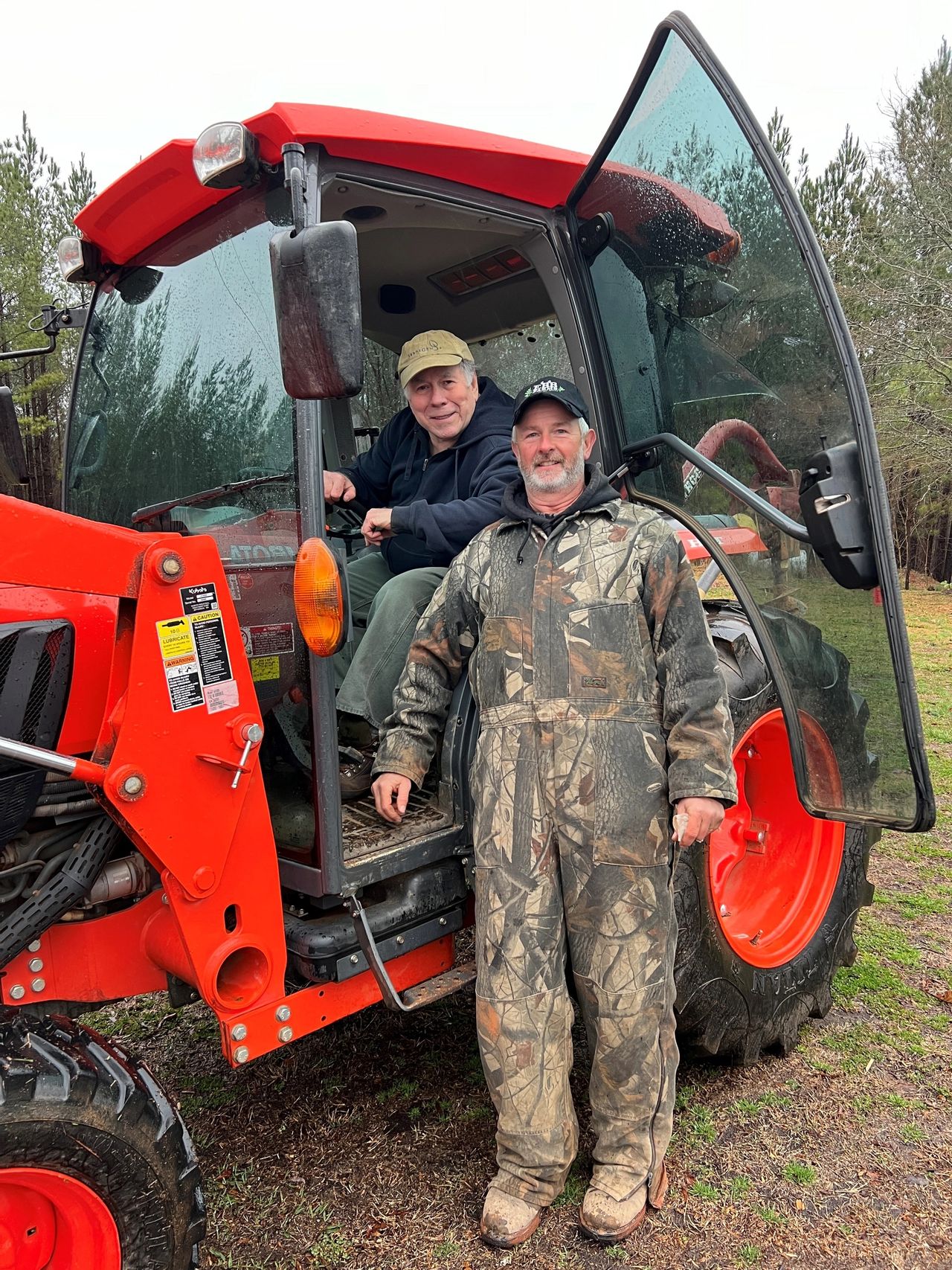
Joel, like many farmers, recognizes the value of Chinese chestnuts: they’re resilient, low-maintenance, and offer early yields and strong markets. Whether on small family farms or large-scale commercial properties, farmers are planting chestnut trees as a smart long-term investment.
🎧 Hear more about Joel’s journey in our podcast episode: The Financial Picture of Chestnut Operations.
2. Couples Starting a New Chapter
John and Nichole picked up their first batch of trees from us earlier this year for their new property—not far from Falls of Rough, Kentucky. Originally from Colorado, they’re dreaming of a more rural, grounded life.
Alt text:
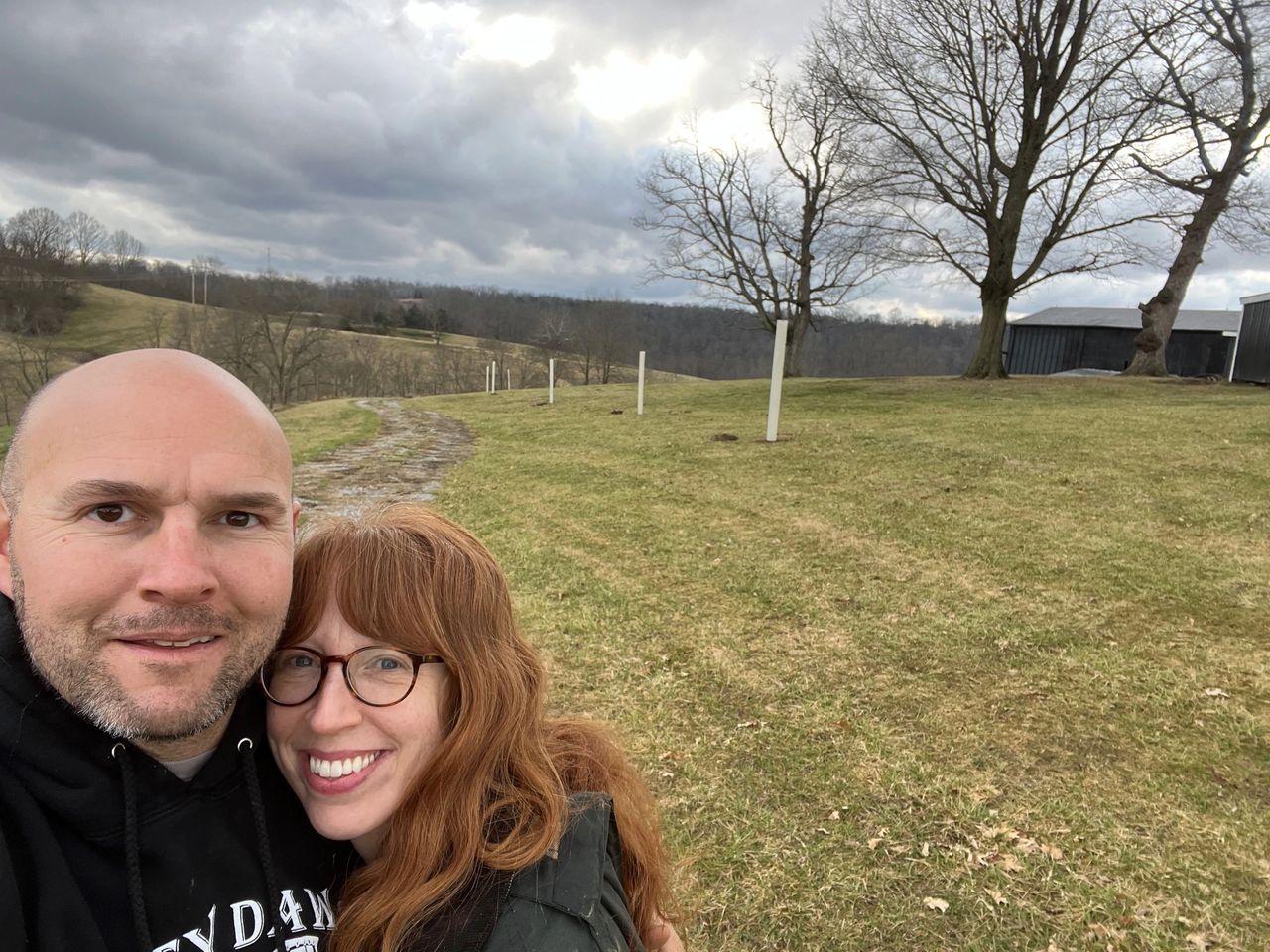
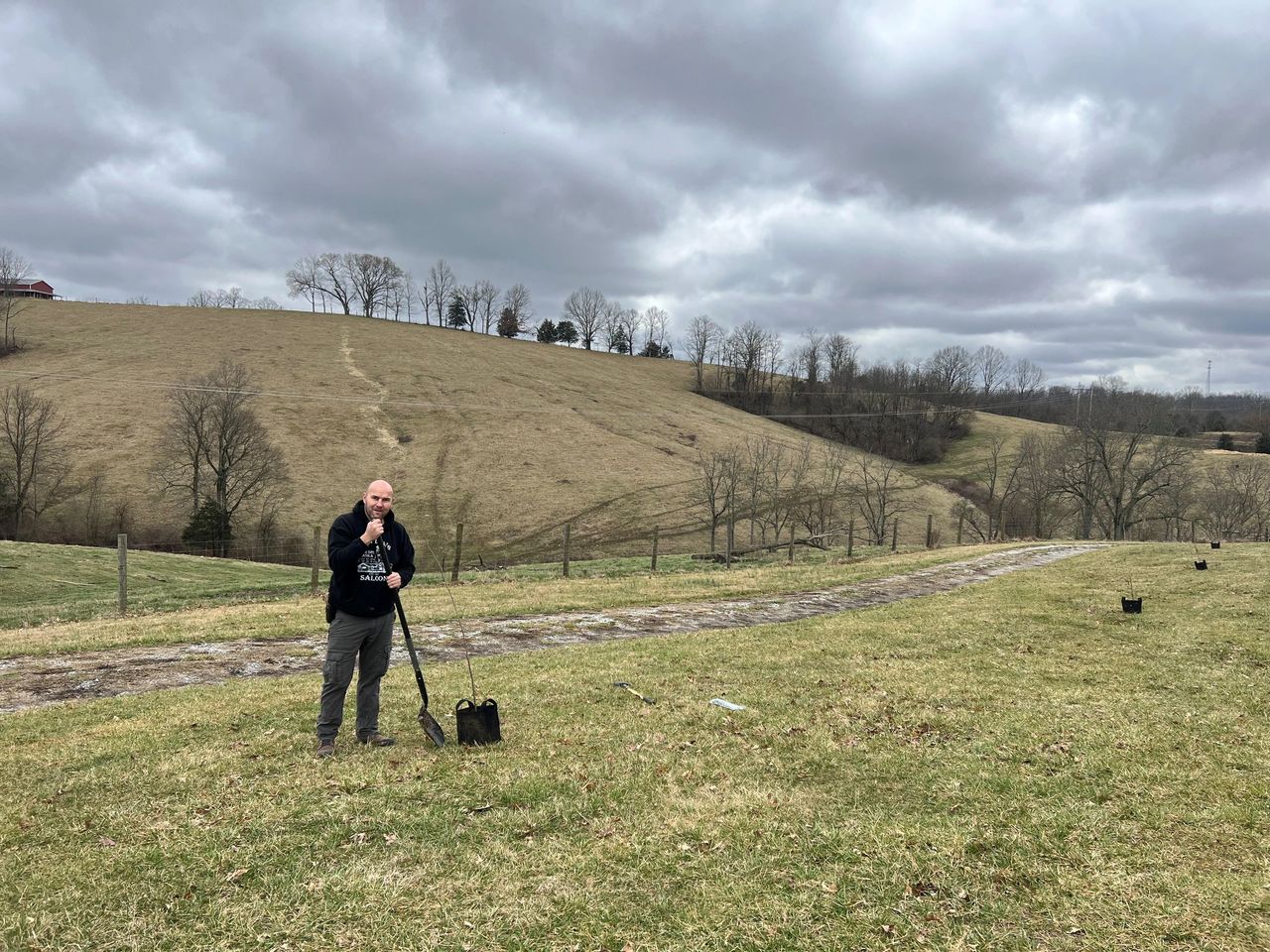
Whether they go on to create a full orchard or simply cultivate a private retreat, they’re part of a movement focused on purpose, property, and possibility.
3. Wildlife and Homestead Enthusiasts
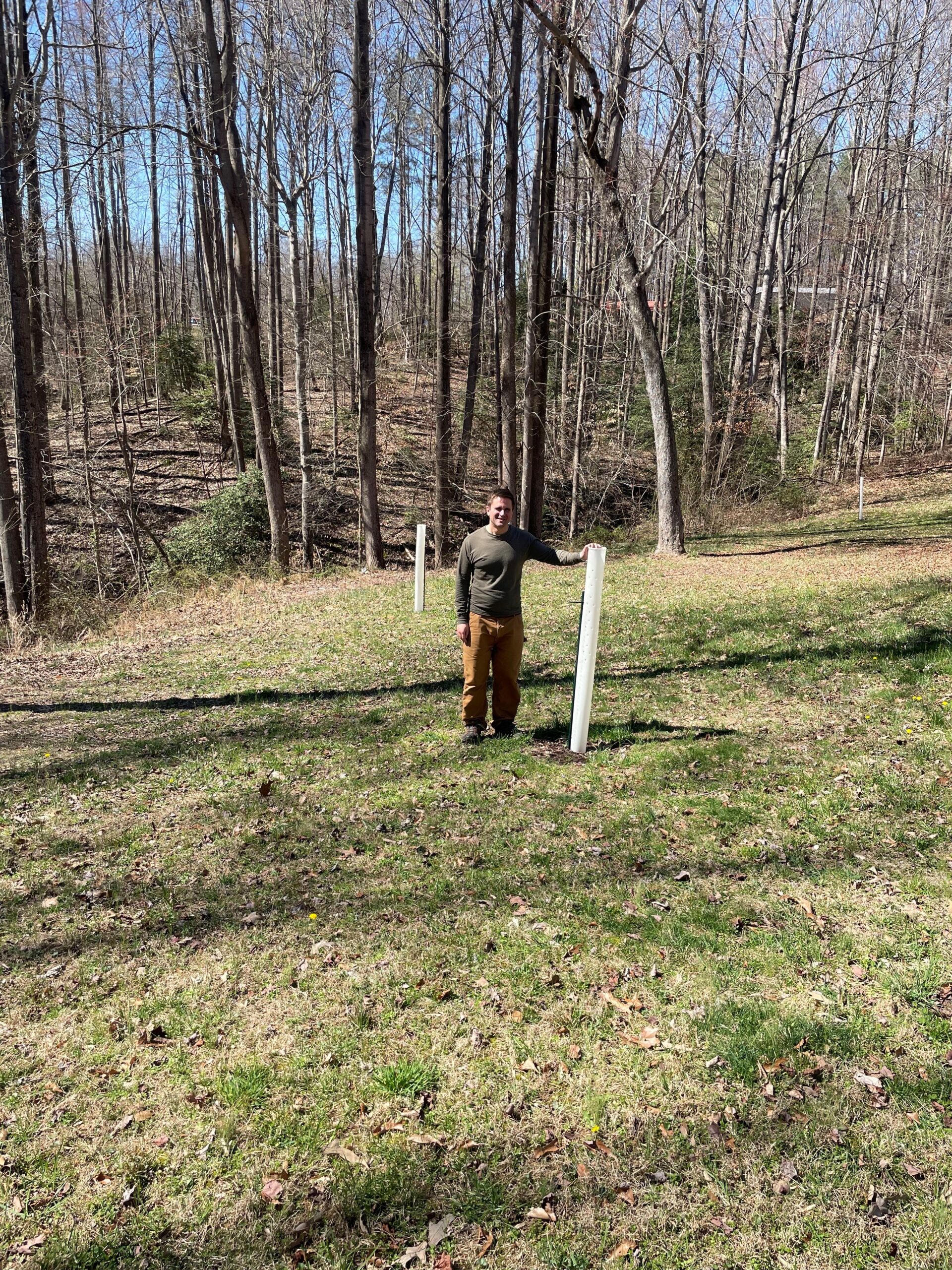
Matt and Paige own a beautiful 12-acre homestead in Virginia, just outside the D.C. metro area. They value nature, diversity, and creating a sanctuary for wildlife. We recently shipped them five trees—more are on the way!
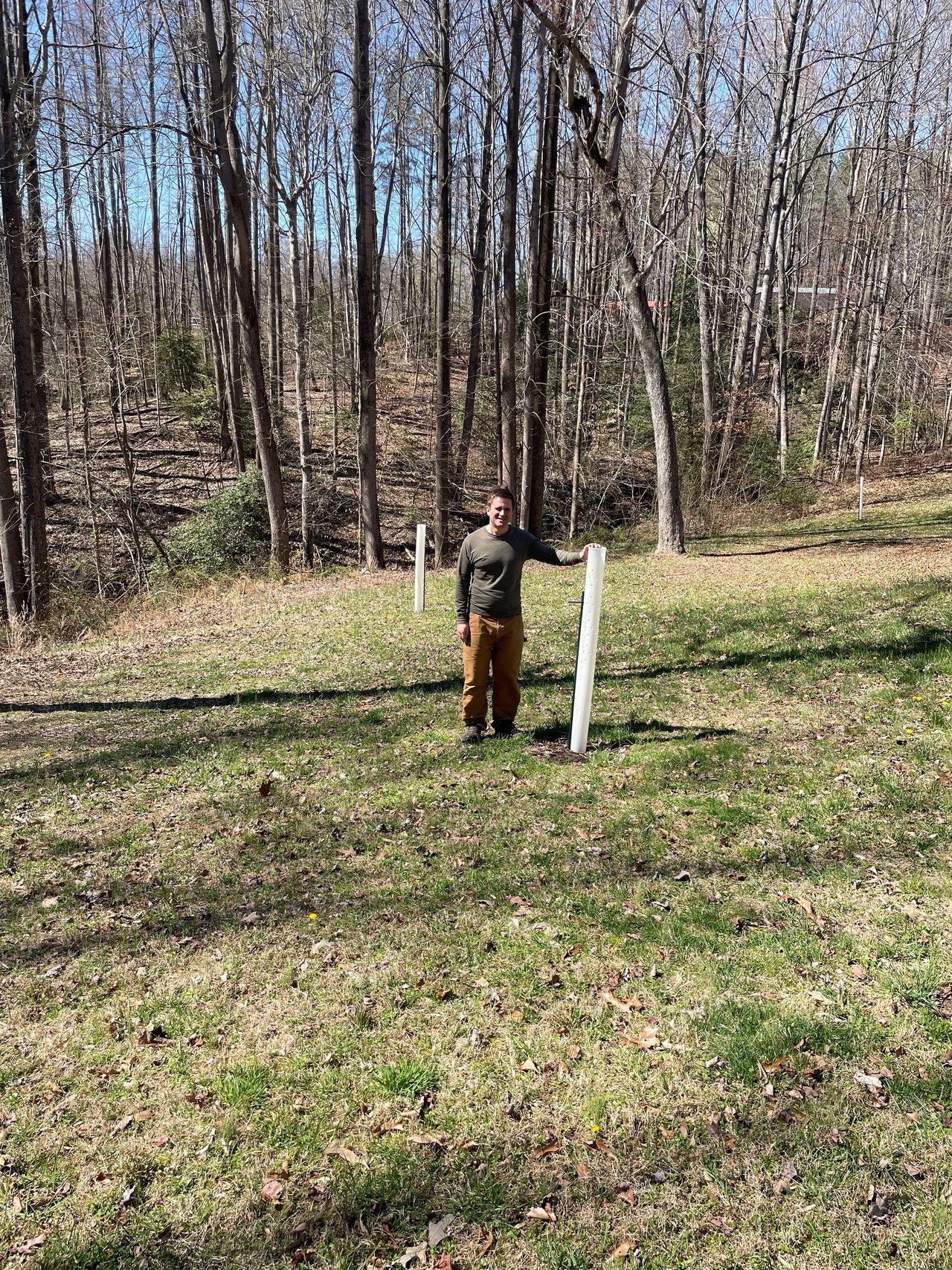
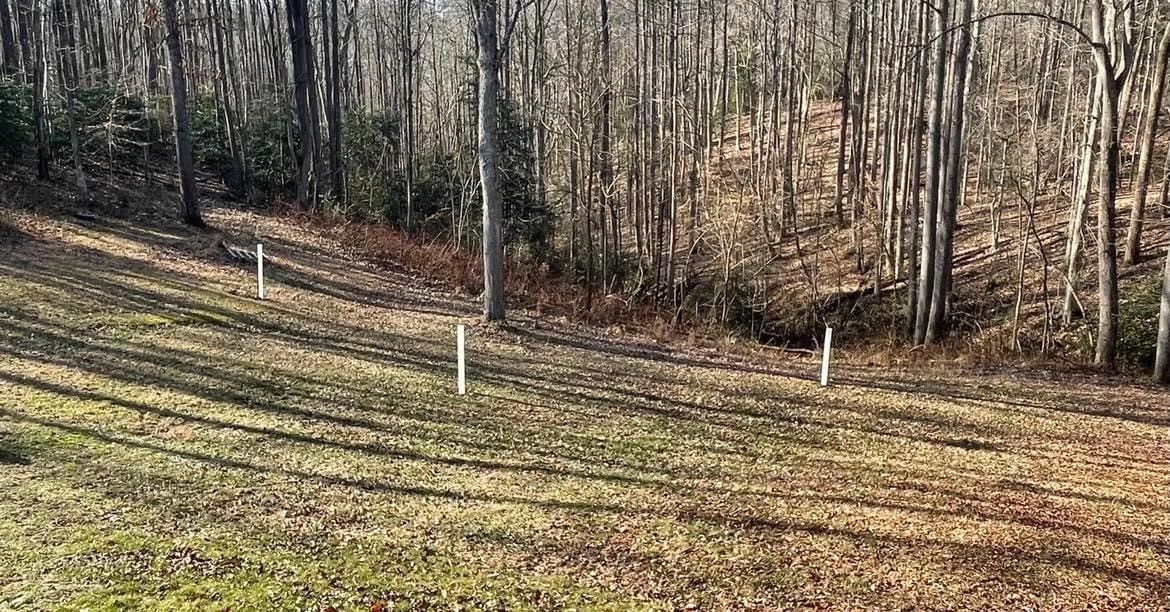
Like many of our customers, they’re focused on feeding their family, nurturing wildlife, and leaving the land better than they found it. For them, chestnuts are a perfect fit: beautiful trees that produce food for people, deer, and more.
🌳 Want to order your trees? Click here to learn more.
4. Generational Expansion with Family Traditions
Josh and his uncle are regular visitors to United Chestnuts. Every year, they return to pick up more trees as they clear land and expand their family’s legacy. And they’re not doing it alone—the kids are involved too.
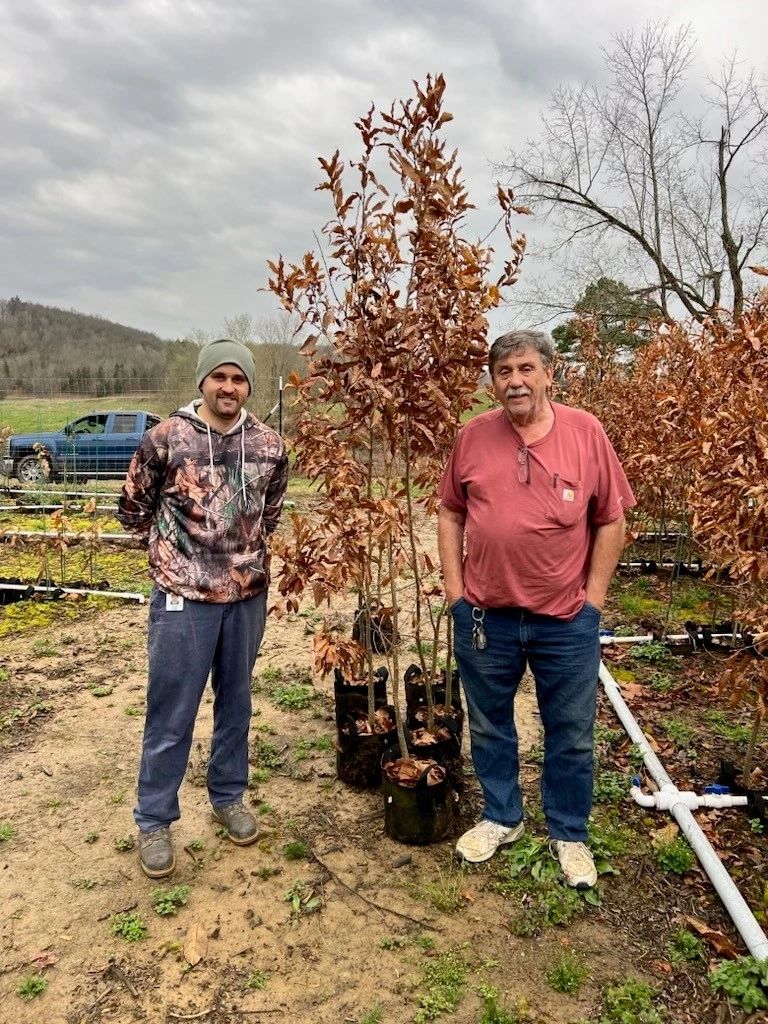
From hunting to hiking, the outdoors is part of their rhythm. Chestnut farming is more than a crop—it’s a way to connect generations through shared goals and stewardship.
5. Educational Institutions Making a Difference
United Chestnuts and EBB Farms are proud members of the Chestnut Improvement Network. This fall, we’re offering seedlings from the University of Missouri’s Center for Agroforestry: the UMCA™ PQK chestnut trees.
Research institutions like UMCA are vital partners in this movement. They provide growers with science-backed genetics, training, and confidence. By supporting research and outreach, we’re helping bring top-tier genetics like PQK® to the hands of growers nationwide.
📩 Curious about UMCA PQK seedlings? Contact us for details.
Why This Movement Matters
Chinese chestnut trees offer more than nuts. They represent:
- 🌱 Sustainable agriculture with long-term value
- 🏡 Land improvement and family investment
- 🐿️ Food for wildlife and people
- 🎓 Opportunities for learning and legacy
- 🌍 A chance to participate in ecological restoration
We’ve seen firsthand how Chinese chestnut growers in the U.S. are changing the landscape—literally and figuratively. They’re carving out a future rooted in resilience.
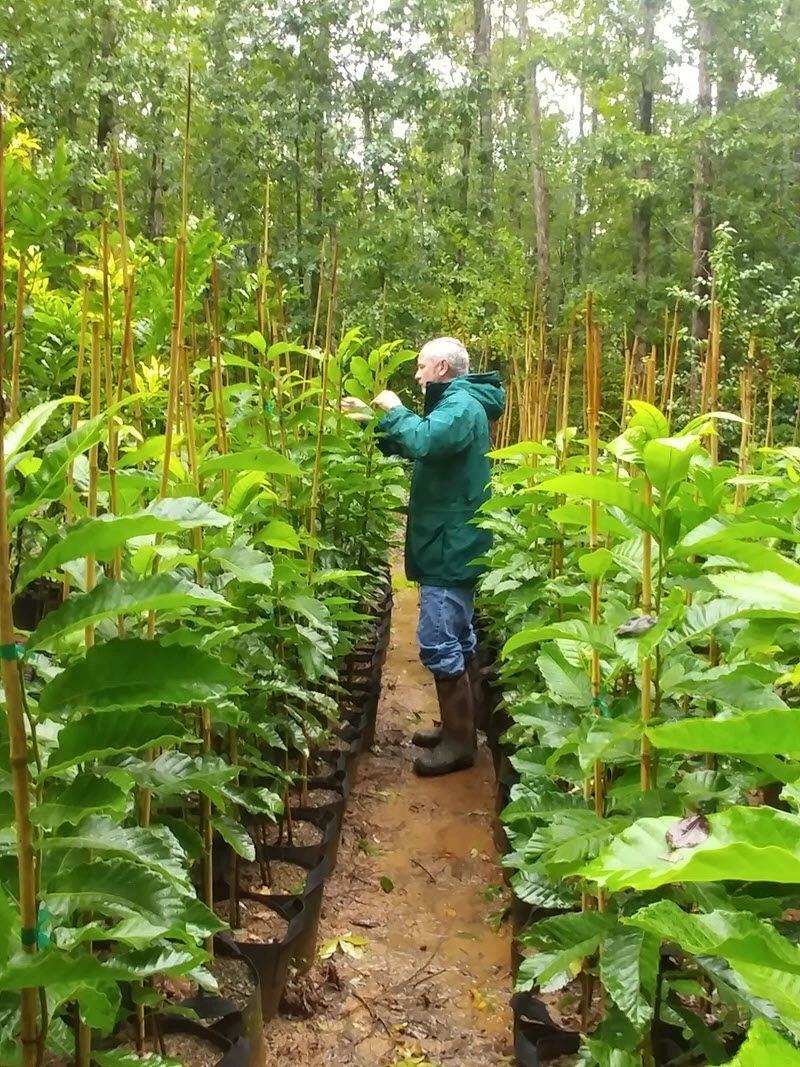
Brad Jones of EBB Farms Growing Chestnut Trees in Kentucky
Join the United Chestnuts Community
Whether you’re growing a few trees or a full orchard, you’re part of a national movement. We’re here to help you every step of the way with resources, podcasts, blogs, and a growing network of support.
🎧 Explore more stories on our Branching Out Podcast
📚 Visit the United Chestnuts Resources Hub
🛒 Shop trees and chestnuts at EBB Farms
📣 Want to share your story? Join our community on the United Chestnuts Facebook Group.
🌰 In Closing
From farmers and families to researchers and rewilders, people across the U.S. are planting Chinese chestnut trees with purpose. We’re honored to be a small part of that journey—and we can’t wait to grow with you.
Until next time, happy planting!