September 6, 2025
How to Cook With Chestnuts: Venison Stew
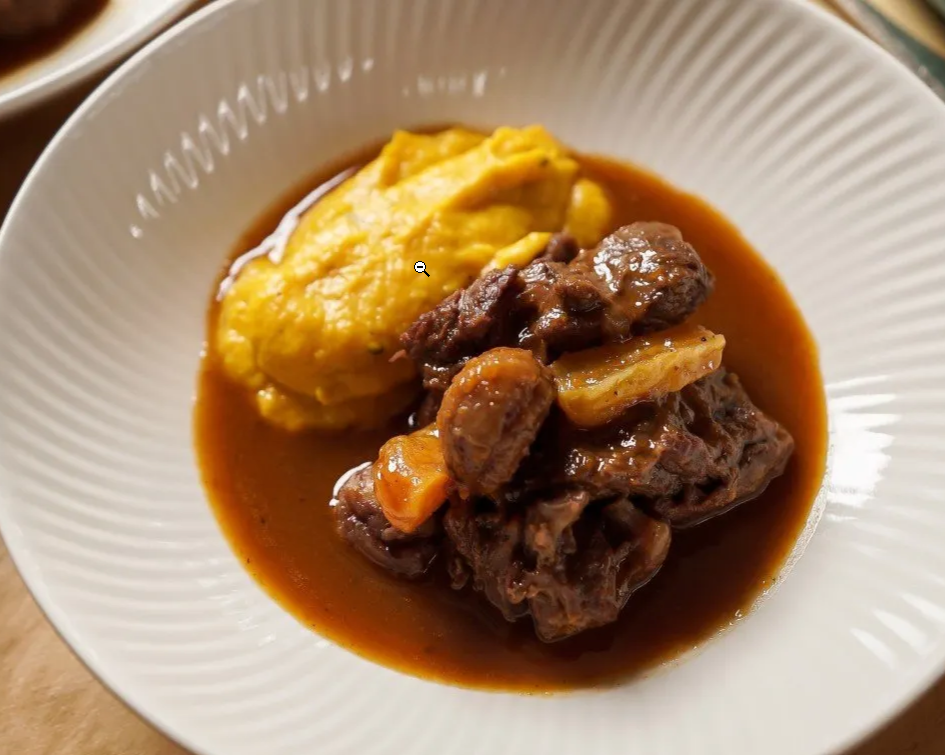
This recipe is part of the United Chestnuts Test Kitchen, our ongoing series exploring how to cook with fresh chestnuts through real recipes, seasonal ingredients, and orchard-grown stories.
If you’ve ever wondered how to cook chestnuts—beyond roasting them over an open fire—you’re not alone. These sweet, starchy nuts are one of fall’s most underrated ingredients. But once you learn how to prepare chestnuts, you’ll want to keep them on hand for soups, stuffing, stews, and more.
This is a perfect recipe for those who love venison, and most hunters, like us! So this recipe is a favorite! And when harvest season hits, our kitchen fills with the aroma of chestnuts roasting (and boiling, and puréeing…). Whether you’re trying them for the first time or just want a new way to use them, this guide will help you get started.
🌰 How to Cook Chestnuts
The most common ways to cook chestnuts are roasting and boiling. All are easy—here’s how to do each:
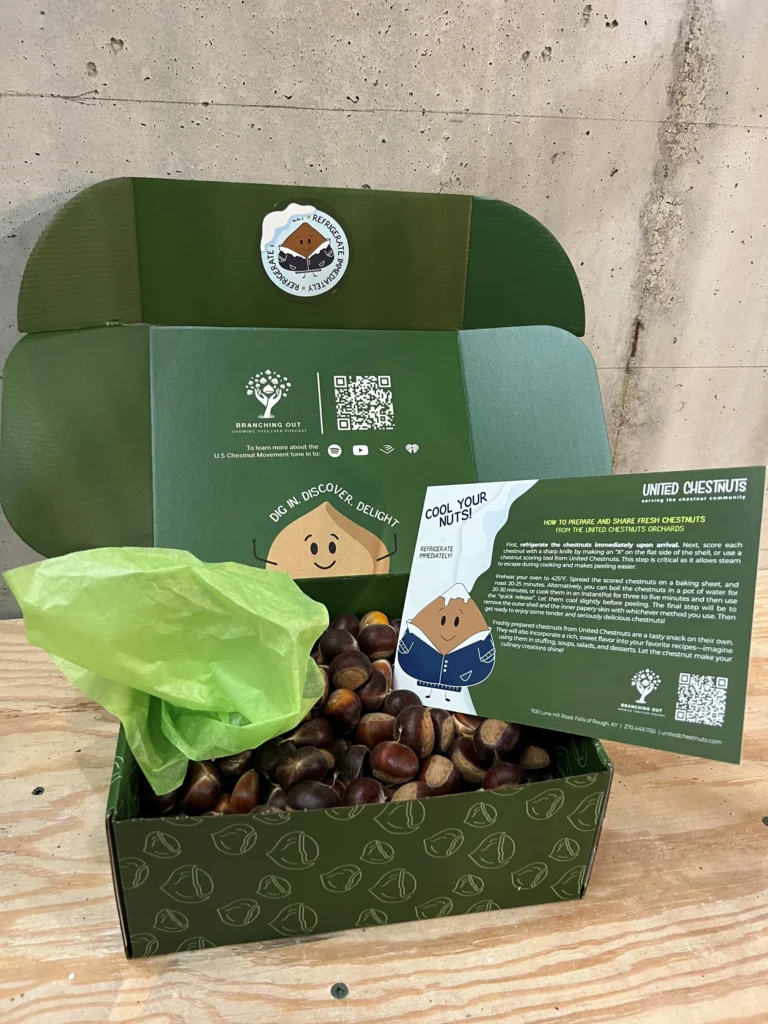
1. Score Them First
Use a sharp paring knife to cut a shallow X into the flat side of each chestnut. This prevents them from bursting and makes them easier to peel. You can order a chestnut cracker and chestnuts in the store.
2. Roast or Boil
- To Roast: Preheat your oven to 425°F. Arrange the scored chestnuts flat-side down on a baking sheet. Roast for 15–20 minutes, until the shells curl back.
- To Boil: Drop the scored chestnuts into a pot of boiling water. Cook for 15–20 minutes until the flesh is tender.
3. Peel While Warm
Let the chestnuts cool just enough to handle, then remove the shell and papery inner skin. Peel them while warm—it’s much harder once they cool.
💡 Tip: For recipes like stew or stuffing, we prefer boiled chestnuts—they stay moist and tender.
❄️ Can You Freeze Chestnuts?
Yes! Once cooked and peeled, chestnuts can be frozen in a zip-top freezer bag for up to 3 months. They reheat beautifully and are perfect for:
- Cozy fall soups
- Holiday stuffing
- Chestnut purée (sweet or savory)
- Baked goods and sauces
- Our favorite: slow-simmered venison stew
💡 Tip from the farm:
Freeze chestnuts in recipe-ready portions—like ½ cup or 1 cup—so you can easily grab what you need later.
For best results:
- Use freezer-safe bags or airtight containers
- Squeeze out any excess air
- Label the bag with the date
- Thaw in the fridge or add straight to hot dishes
You can find fresh chestnuts in our United Chestnuts store when in season – September to November.
🍷 Featured Recipe: Venison Stew with Chestnuts and Apricots
Once you’ve got your chestnuts cooked and ready, here’s one of our favorite ways to use them: a cozy, cold-weather stew that brings out everything good about this ingredient.
Jump to full Venison Stew recipe below ⬇
The chestnuts add richness and texture. The apricots bring just a hint of sweetness. And the venison? It falls apart in the best way. This is fall on a plate, and it’s become one of our go-to recipes when we want to feed a crowd or celebrate a harvest weekend at the farm.
🥘 Venison Stew with Chestnuts & Apricots
Ingredients
For the stew:
- 3½ lbs venison (shoulder or neck), cut into 2-inch cubes
- 2–3 Tbsp vegetable oil
- 2 medium onions, roughly chopped
- 2 carrots, peeled and roughly chopped
- 2 celery stalks, cut into 1-inch chunks
- Salt and freshly ground black pepper
- 1 Tbsp tomato paste
- ¼ cup brandy
- ½ cup dry white wine
- 6 juniper berries, lightly crushed
- 5 cups veal or beef stock
- 8 dried apricots, thinly sliced
- 18 cooked chestnuts
For the squash purée:
- 4½ lbs butternut squash
- 3 Tbsp olive oil
- 3 sprigs rosemary
- 3 sprigs thyme
- Salt and pepper
- ½ cup heavy cream
Instructions
1. Brown the Venison
Heat oil in a large Dutch oven over high heat. Brown the venison in batches, getting a deep caramelized crust. Set aside.
2. Sauté the Veggies
Add the onions, carrots, and celery to the same pot. Cook for 2–3 minutes, then stir in the tomato paste. Cook another 2–3 minutes. Deglaze with brandy and wine, scraping up the good bits. Simmer 5 minutes.
3. Braise the Stew
Return the venison to the pot. Add juniper, stock, salt, and pepper. Bring to a simmer, cover, and cook for 2½ hours. Cool and refrigerate overnight if possible.
4. Finish the Dish
Bring stew to a simmer, remove meat, and reduce the sauce. Strain it, then return the meat to the pot. Stir in the apricots and chestnuts to heat through.
5. Make the Squash Purée
Roast peeled, chopped squash at 375°F with herbs, oil, salt, and pepper for 30–40 minutes. Blend with cream until smooth.
👩🌾 Final Thoughts from the Farm
Fresh chestnuts are a seasonal treasure—especially when grown here in the U.S. Once you know how to cook chestnuts, the possibilities open up: soups, stews, purées, desserts, and so much more.
We hope this recipe brings something hearty and joyful to your table this season. If you’re new to chestnuts, start simple. If you’re already a fan, let this stew take you deeper into flavor.
Find more tips, grower stories, and chestnut-forward recipes at unitedchestnuts.com/resources. And if you’re cooking with our chestnuts, we’d love to see what you’re making—tag us or drop us a message!