October 18, 2026
Where to Sell Chestnuts: How to Sell Chestnuts to Farms That Already Have Visitors
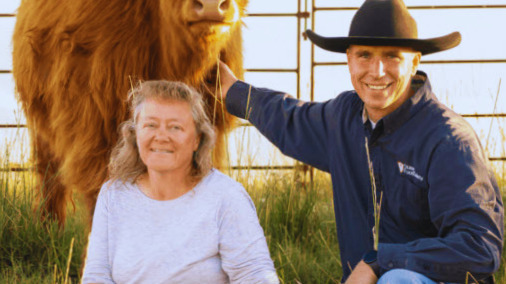
We’re right in the thick of harvest here in Kentucky, so when the phone rang the other night, we figured it was another customer checking on an order. It wasn’t. It was Wade Stout of Fold of Liberty Farms out in Spanish Fork, Utah, and he wanted to order fresh chestnuts but had a few questions. That call got us thinking about a question growers ask us all the time: where to sell chestnuts once the trees start bearing. Sometimes the best answer is another farm.
We asked him what he had in mind. He said they’d sell them at their farm and at farmers markets, and see whether folks in Utah are interested in chestnuts.
Honestly, we loved that. Before betting on anything bigger, he’s finding out whether people will actually buy them. We kept talking about it after we hung up, and we think a lot of you could sell chestnuts to farms like this one too.
Meet Fold of Liberty Farms
Vernon and Rhonda Stout bought the land in Spanish Fork in 2021, after Vernon sold his business. Owning a farm had been a lifelong dream for them (their story is here). They farm regeneratively and raise grass-fed beef, pastured eggs, organic produce, and native grasses, and they’re growing nut and berry trees too.
And then there are the Highland cows. People used to pull over while the family was working the field and ask if they could pet them and get a picture, Vernon told KSL. That curiosity turned into a business. Today Utah Cow Cuddle brings families out to brush and feed the herd, and on the way out a lot of them stop in the farm shop for eggs, ice cream, T-shirts, or a stuffed Highland cow (ABC4). They also do photo sessions, and they run Victory Park USA, a museum with more than 30,000 military artifacts.
So they’ve got what most of us growers wish we had more of: people coming to the farm who already trust it and want to take something home.
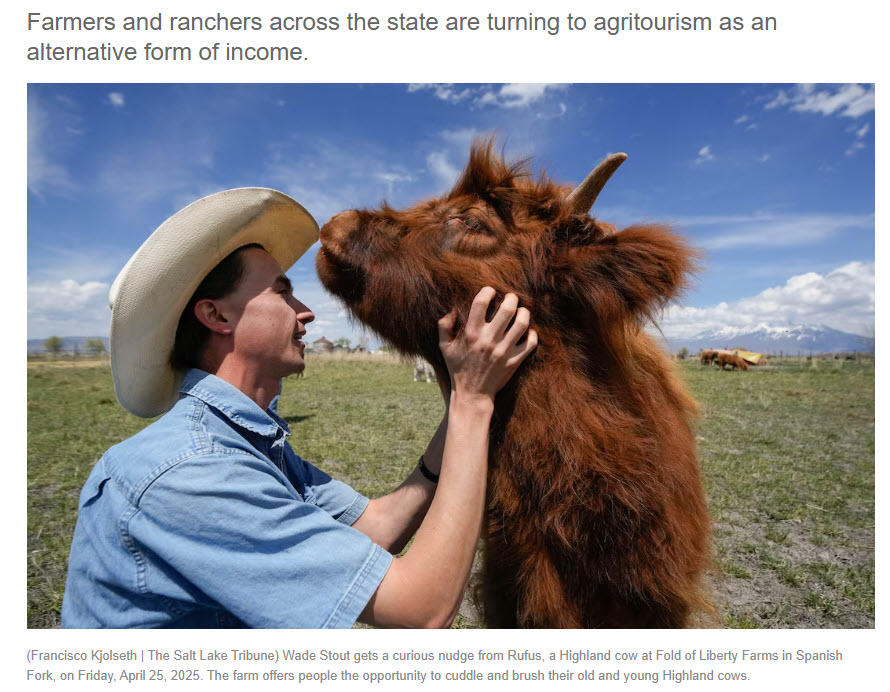
Why Now Is a Good Time to Sell Chestnuts to Farms
Agritourism is having a moment, especially in Utah. A new state study found that Utah’s agritourism income jumped from about $1.9 million in 2002 to $13.7 million in 2022 (Utah Department of Agriculture and Food). Most of those visitors are locals, too. According to the Deseret News, about 8 in 10 come from inside the state. And here’s the part that made us smile: an earlier survey found that most visits to Utah agritourism farms happen between October and December. That’s chestnut season.
Nationally, farms brought in $1.26 billion from agritourism in 2022, and USDA researchers noticed that farms growing fruit and tree nuts tend to earn more from it than most (USDA ERS). Agritourism orchards draw a crowd. We’re not surprised.
Regenerative farming is getting more attention too, though plenty of people still aren’t sure what it means. In one recent survey, only 19% of shoppers said they understood the term, but 83% of the people who saw it on a label went ahead and bought the product (ADM). Chestnuts fit that story well. They’re a long-lived tree crop, and perennials like chestnuts generally hold more carbon than annual crops (USDA Climate Hubs). A farm like Fold of Liberty can explain that across the counter in about thirty seconds.
Then there’s the trees themselves. Bearing chestnut acreage in the U.S. doubled between 2017 and 2022, and almost 5,700 more acres were planted but not bearing yet (MU Extension). We still import most of the chestnuts eaten in this country, and a lot of Midwest growers sell out before harvest is even done (USDA Climate Hubs). As all those young orchards start producing, a lot more growers are going to be figuring out where to sell chestnuts. That’s a good problem, but it’s still a problem. Selling chestnuts to farms that already have visitors is part of the answer.
How Everybody Wins When You Sell Chestnuts to Farms
Think about it from Fold of Liberty’s side first. Chestnut trees take a few years to come into real production. Buying nuts from an established grower lets them test the market this fall with real customers, before they put trees in the ground or while young trees are still growing. That’s about the cheapest market research a farm can do.
From our side, when we sell chestnuts to a farm like this, it’s a market we didn’t have to build. They already have the visitors, the shop, the social media following, and the market booths. We move nuts at harvest, when we need to most, and our chestnuts end up in front of people in Utah we’d never have reached on our own.
And it helps the whole industry. In one national survey, over half of Americans said they had never eaten a chestnut. Every bag sold at a farm shop or roasted at a market booth changes that a little. It’s the same reason we keep writing these posts, recording the podcast, and building out the United Chestnuts Academy.
Where to Sell Chestnuts: Finding Partner Farms
You might already know a farm that would be glad to sell your chestnuts. Think about the agritourism orchards, u-pick farms, pumpkin patches, corn mazes, and animal farms near you, or anyone with a farm stand already selling eggs, honey, or jam. Farmers market vendors are good candidates too, since their regulars are always looking for something new. And keep an eye out for farms that already grow nut trees or want to. They may end up planting chestnuts themselves someday.
Don’t stop at your own region, either. When you’re thinking about where to sell chestnuts, some of the best opportunities could be in states where fresh chestnuts are hard to find.
Your extension office, your state agritourism association, and local market managers can point you to farms. A lot of states keep directories now, and Utah just launched a statewide agritourism program and website. Social media works too. Farms that post about their visitors are usually easy to find and happy to talk.
How to Sell Chestnuts to Farms: Our Tips
Start with freshness. Fresh chestnuts aren’t like pecans or walnuts. They need to stay cold, so ship them quickly and make sure your partner has fridge space and a plan to sell them while they’re at their best. A little card for their customers that just says “Keep me in the fridge!” helps a lot.
Send your story along with the nuts. A short bio, a few photos, maybe a small sign that says “Grown by EBB Farms in Kentucky.” People care where their chestnuts come from. In one study, buyers were 15.6 times more likely to pick locally grown chestnuts over imports, and about four times more likely to pick U.S.-grown ones. Even when your nuts cross state lines, “grown on an American family farm” is worth printing on the bag.
Help them sell. Most of their customers won’t know what to do with a chestnut, so send recipe cards and roasting instructions, or a link to a short video. If they can do a roasting demo, even better. The smell alone sells chestnuts.
Ask how it went. Gauging interest was the whole point of Fold of Liberty’s call, so ask your partner what sold, what customers asked about, and how the price felt. Both of you will make better decisions next year.
And think past this season. If it goes well, this can turn into repeat orders, seedlings for a farm that decides to plant, or events you put on together. Who knows, your best wholesale customer might turn into the next chestnut grower in their state.
Common Questions About Selling Chestnuts
Where can I sell chestnuts?
Most growers start close to home: farm stands, farmers markets, their own website, and word of mouth. Partnering with other farms opens a lot more doors, especially agritourism orchards, u-pick farms, and farm shops that already have steady visitors in the fall.
Can you sell chestnuts from a small orchard?
Yes. You don’t need a big operation to start selling chestnuts. A few trees’ worth of nuts can go a long way at a farm stand or through a partner farm. Check with your state department of agriculture about any rules for selling fresh produce where you live and where your partner is.
How do you sell chestnuts to another farm?
Keep it simple. Reach out, offer a small first order, ship fresh and cold, and send along your story, a sign, and roasting instructions. Then ask how it went so you can plan next season together.
Who sells chestnuts?
In the U.S., most fresh chestnuts come from family growers like us, plus imports. Here at EBB Farms in Kentucky, we sell fresh chestnuts in season through United Chestnuts, and more and more farms are carrying them for their visitors.
The Chestnut Growers of America site lists chestnut growers across the country and is a great resource.
Let’s Keep Building Win-Win-Wins
We’re grateful Fold of Liberty thought to call us, and we can’t wait to hear how chestnuts do in Utah. That call reminded us that some of our best customers might be other farmers who already have an audience and a good idea.
If you’re a grower still working out where to sell chestnuts, go look for your own Fold of Liberty. Selling chestnuts to farms might be easier than you think. If you run a farm and you’re curious about carrying fresh chestnuts, give us a call. And if you’ve already partnered with another farm to sell your crop, we’d love to hear how it went. Leave a comment or reach out.
When farms work together, the grower gets a new market, the partner farm gets something fresh and local for its visitors, and a whole lot of people get to try a chestnut for the first time. That’s a win, a win, and a win. Let’s keep working together as a farming community and make more of those happen.
Want to Dig Deeper?
- USDA Agritourism Resource Manual, a USDA guide for farms adding agritourism and direct sales
- Growing and Marketing Chinese Chestnuts from University of Missouri Extension
- Missouri Chinese Chestnut Planning Budget, with costs, returns, and national acreage numbers
- Chestnuts: A Perennial Opportunity for Northeast Farms from the USDA Climate Hubs