🌳 A Look Back: Chestnuts in the American Landscape
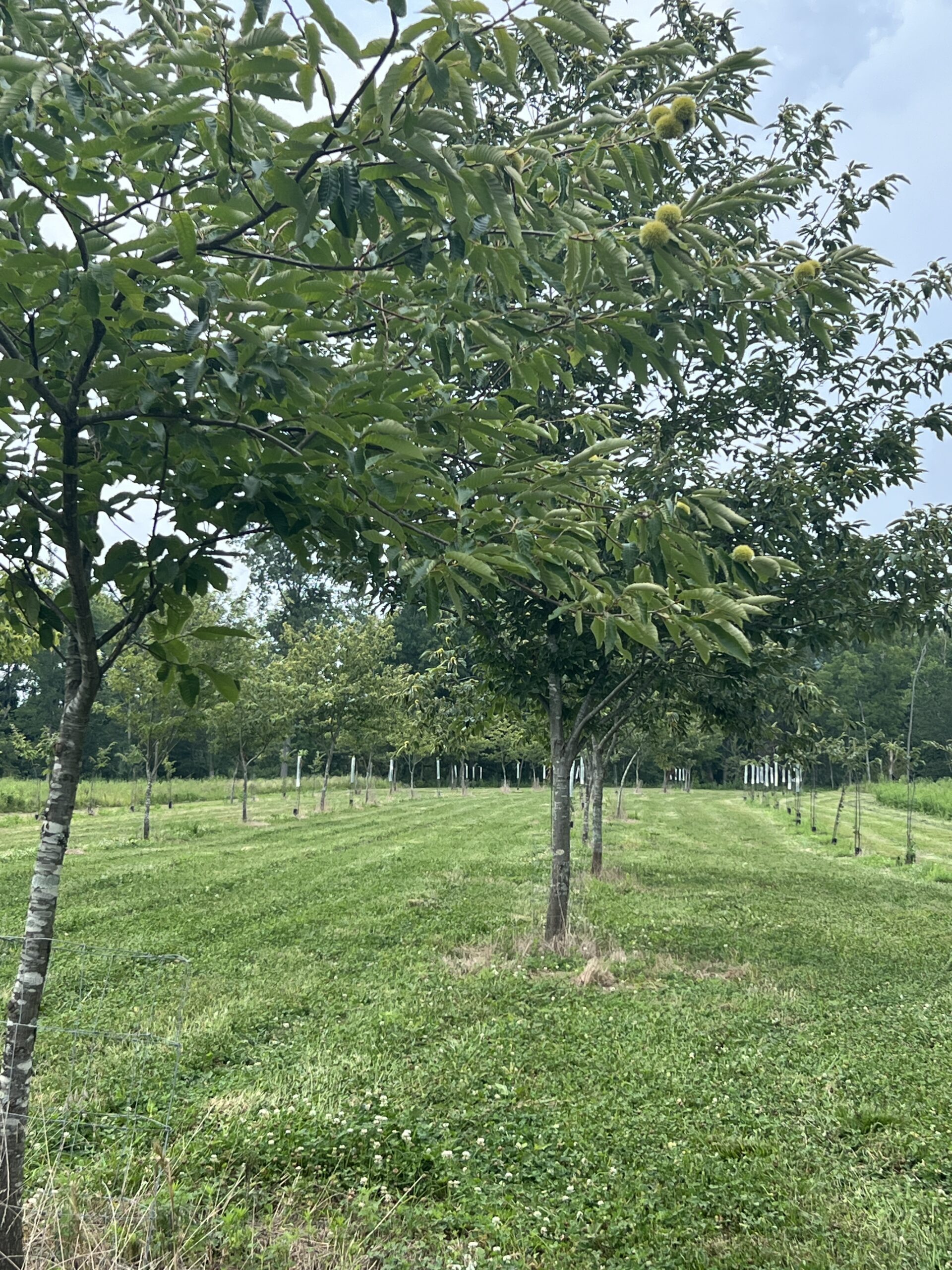
Let’s look at how planting chestnuts and oak trees for wildlife has become a trend! Before the chestnut blight, American chestnut trees dominated the eastern U.S. forest canopy. Early settlers described forests so dense with chestnuts that a squirrel could travel from Maine to Alabama without touching the ground. These majestic trees, some reaching 16 feet in diameter, were crucial to wildlife and people alike.
But by 1950, over four billion chestnut trees had succumbed to a fungal blight introduced from Asia. While restoration efforts continue, Chinese chestnuts (Castanea mollissima)—like the hybrids offered by United Chestnuts—provide a practical, blight-resistant alternative.
🌰 Why Choose Chestnut Trees?
Chinese hybrid chestnut trees are a wildlife magnet. Here’s why they’re a standout:
- Nutritious and palatable: Chestnuts are low in tannins, sweeter than acorns, and easier for wildlife to digest.
- Fast-growing and early-bearing: Chinese chestnuts often begin producing nuts by year four.
- Diverse appeal: Loved by deer, turkey, squirrels, and even black bears.
Want nuts and nature? Explore chestnut seedlings on our website.
🌳 Why Oak Trees Still Matter
Oak trees remain a cornerstone species in North American woodlands. Their acorns are high in fat and energy—crucial for wildlife during the lean winter months. While some oaks take years to mature, their payoff is generational longevity and consistent food production.
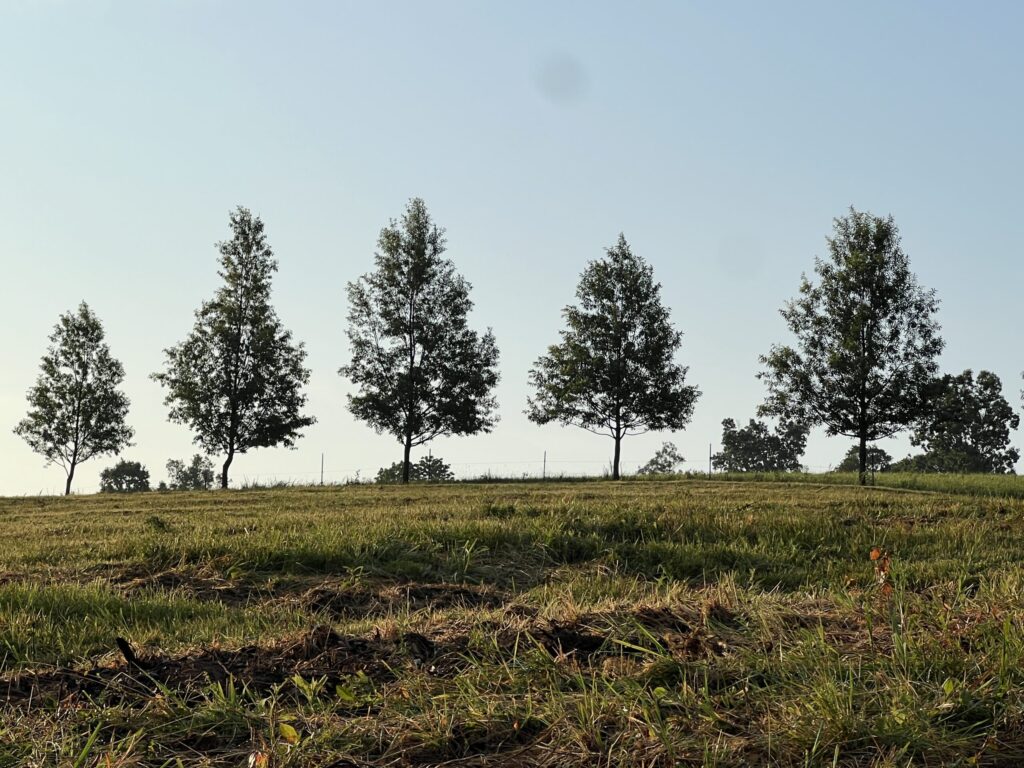
At EBB Farms, we often plant Sawtooth oaks along fence lines to create a natural wildlife corridor and windbreak.
🦌 Why Chestnuts and Oak Trees Are Better Together
Pairing these trees builds a powerful habitat. Here’s what makes them a winning combo:
⏳ Season-Long Food Availability
- Chestnuts drop nuts in early fall
- Oaks drop acorns later in the season
- This staggered timing ensures wildlife have continuous access to food
🐾 Diverse Wildlife Attraction
From deer and turkeys to squirrels and songbirds, a variety of animals benefit from this dual nut-drop strategy.
🏕️ Habitat & Shelter
Both trees provide essential cover for nesting, roosting, and foraging, helping support entire ecosystems.
🌿 Ecological Resilience
Tree diversity reduces vulnerability. If pests or disease strike one species, the other can still sustain your land.
🌱 Tips for Planting Chestnuts Successfully
If you’re ready to plant chestnut trees, here’s how to get started:
📍 Choose the Right Spot
- Well-drained soil with pH 5.5–6.5
- Full sun is essential
- Avoid areas with pH above 7
🌳 Plant in Groups for Pollination
Plant more than one chestnut tree to ensure good nut production through cross-pollination.
↔️ Space Them Right
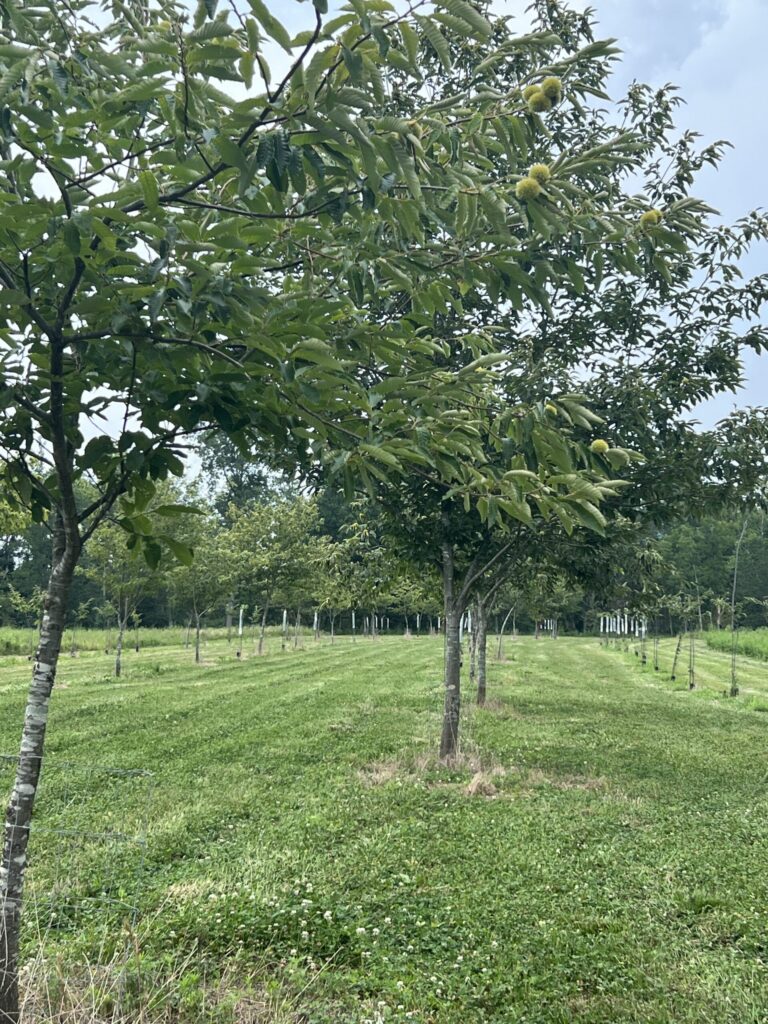
Allow 35–40 feet between trees to accommodate full-grown canopies.
🛡️ Protect and Feed Young Trees
- Use tree shelters to guard against deer and rodents
- Keep base area weed-free
- Apply a balanced 10-10-10 fertilizer annually
🏆 Expect Big Returns
A mature Chinese chestnut tree can yield up to 300 pounds of nuts annually.
🐿️ A Haven for Wildlife—and You
Whether you’re a hunter, conservationist, or land steward, combining chestnuts and oak trees for wildlife will enrich your land. Wildlife activity will increase, biodiversity will flourish, and you’ll witness the beauty of nature returning season after season.
“We planted for the deer, but what came was a whole new world of life.”
— Brad Jones, EBB Farms – powered by United Chestnuts
🌟 Ready to Grow?
At United Chestnuts, we’re on a mission to make chestnut farming viable, visible, and collaborative—nationwide. Whether you’re adding trees for wildlife, food plots, or future harvests, we’re here to support your journey. If helpful, sign up for updates from unitedchestnuts.com/resources
🎙️ And don’t miss our Branching Out: Growing Together podcast on YouTube, Spotify, iHeartRadio, and Audible—featuring land management experts and tree lovers just like you.
👥 Join the conversation in the United Chestnuts Community Facebook Group to share your progress and ask questions along the way.